
In a home gym, the weight bench is your primary structural foundation. It is the chassis upon which all heavy-load strength protocols are initialized.
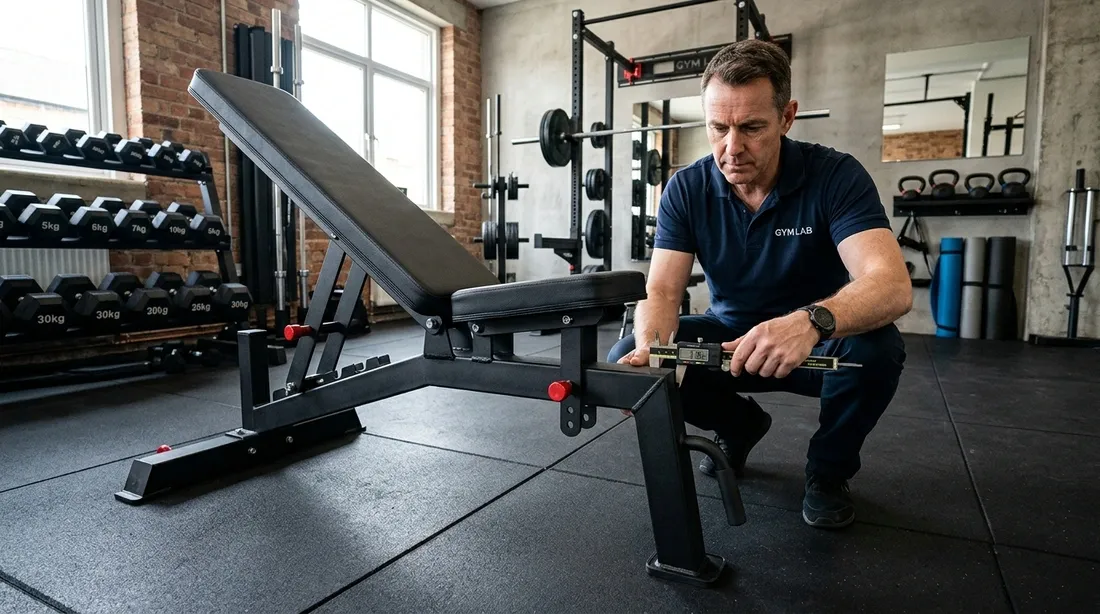 FIG 1.1: Structural Audit: Verifying Frame Gauge for High-Load Capacity.
Selecting a bench requires more than checking the price. You must audit the Structural Yield Threshold. Specifically, you must ask: “Is this 11-gauge or 14-gauge steel?”, “Does the pad gap interfere with lumbar biomechanics?”, and “Are the welds industrial-grade?”
You have landed in the Technical Masterclass Hub. This laboratory provides board-level insights into Structural Strength. We move beyond generic reviews to provide scientific protocols for serious home athletes.
1.0 Steel Geometry & Structural Yield
Reliability is determined by Steel Gauge. 11-gauge steel (~3.0mm) is the industrial standard. According to ASTM F2276 Standards, a bench must support its rated capacity with a safety factor to prevent catastrophic chassis failure.
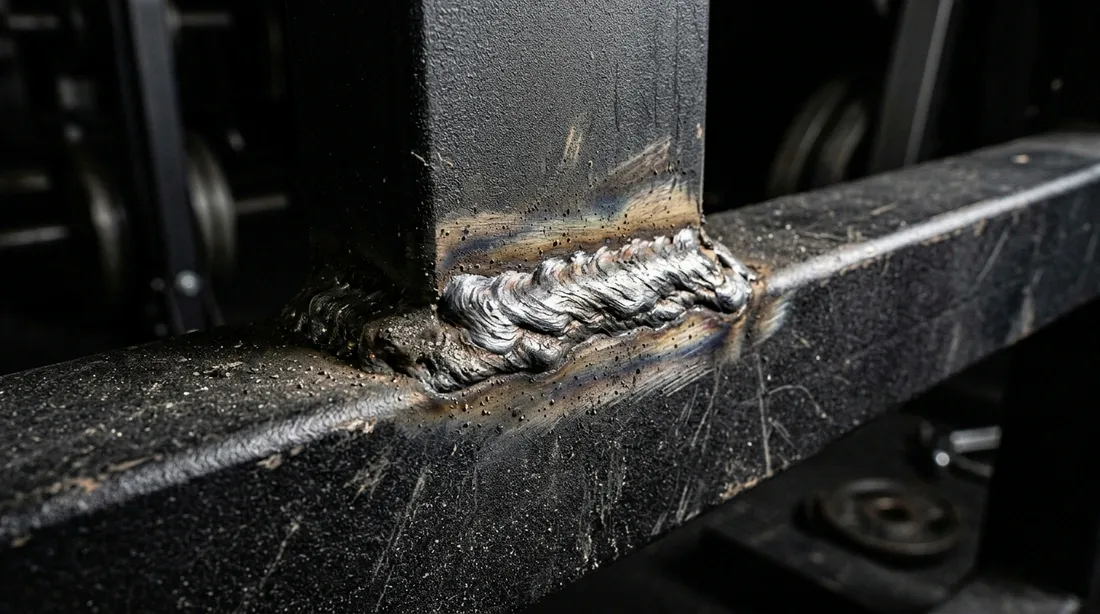 FIG 2.1: Weld Integrity Audit: Identifying high-strength penetration.
| Steel Gauge | Thickness | Industrial Rating |
|---|---|---|
| 11-Gauge | ~3.0mm | Commercial Grade |
| 12-Gauge | ~2.6mm | Premium Home Use |
| 14-Gauge | ~1.9mm | Entry-Level Only |
2.0 Biomechanical Alignment: The Pad Gap Audit
A major failure in adjustable units is the “Pad Gap.” If the gap is too wide, it creates lumbar instability. We audit for a gap of less than 2 inches to ensure spinal integrity during the bench press initialization.
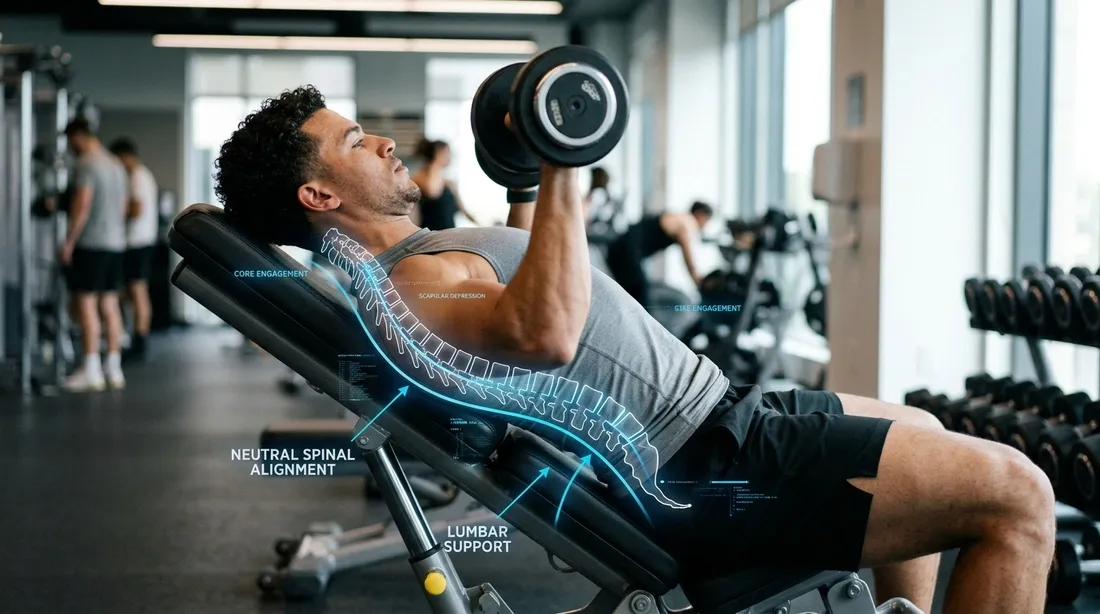 FIG 2.2: Biomechanical Posture Audit: Identifying Lumbar Stress Zones.
3.0 Hardware Selection: The 18-Model Reliability Audit
Our specialists have audited the following 18 engines across 6 technical categories. Select a model to view the full teardown and reliability report.
Tier 1: High-Utility Flat Benches
Tier 2: Adjustable & Incline Systems
Tier 3: Olympic-Grade Systems
Tier 4: Foldable & Compact Tech
Tier 5: Bicep Isolation Engines
Tier 6: Core & Abdominal Systems
4.0 Technical Longevity: Maintenance Logs
Weight benches are high-load mechanical assets. According to the NIH Active Aging Standards, equipment must be stable to prevent injury. Audit your pivot bolts every 90 days to ensure no chassis drift.
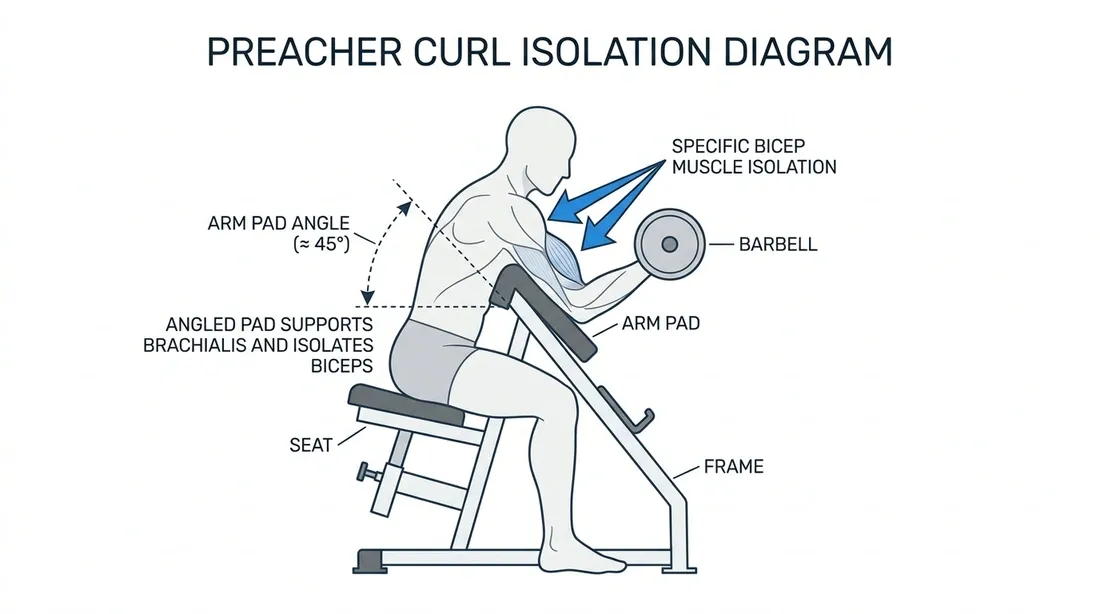 FIG 4.1: Isolation Protocols: Verifying pad angle and structural alignment.
