Choosing between a stationary bike and a leg press isn’t just about cardio vs. strength—it’s a choice between two different biomechanical loading patterns.
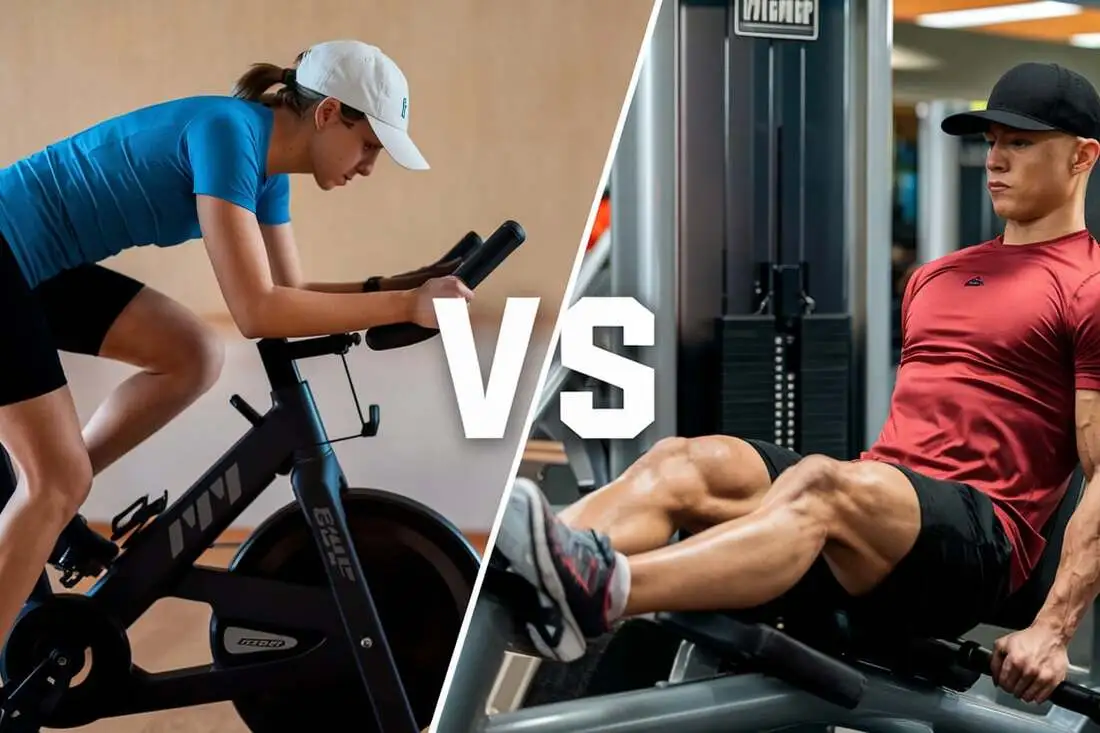 FIG 1.1: Comparative Analysis: Metabolic Flow vs. Mechanical Tension.
While cycling offers metabolic efficiency and joint fluidity, the leg press provides the mechanical tension required for sarcopenia defense. Specifically, users investigating leg press vs cycling must audit their structural priorities before selecting a primary engine.
1.0 Technical Comparison: leg press vs cycling
Our lab audit reveals that while both machines target the lower chain, the Force Profile is fundamentally different. Cycling relies on repetitive low-load contractions, whereas the leg press utilizes high-load mechanical pressing.
| Technical Variable | Stationary Cycling | Mechanical Leg Press |
|---|---|---|
| Primary Goal | Cardiovascular Flow | Hypertrophy / Density |
| Joint Impact | Zero (Non-Weight) | High (Compressive) |
| Muscle Focus | Quads/Glutes (Aerobic) | Posterior Chain (Anaerobic) |
| Metabolic Cost | Continuous & High | Intermittent Bursts |
| Safety Rating | Excellent (Senior Safe) | Moderate (Form Audit Req) |
Empirical Findings: Cycling vs. Mechanical Pressing
Leg press studies show high Rectus Femoris engagement compared to ~45% in cycling.
Cycling maintains higher continuous caloric expenditure for conditioning.
2.0 Muscle Recruitment Audit: Anatomical Mapping
The leg press vs cycling debate is decided by which muscle groups you need to initialize. As shown in our anatomical exhibits, the leg press allows for isolated eccentric loading.
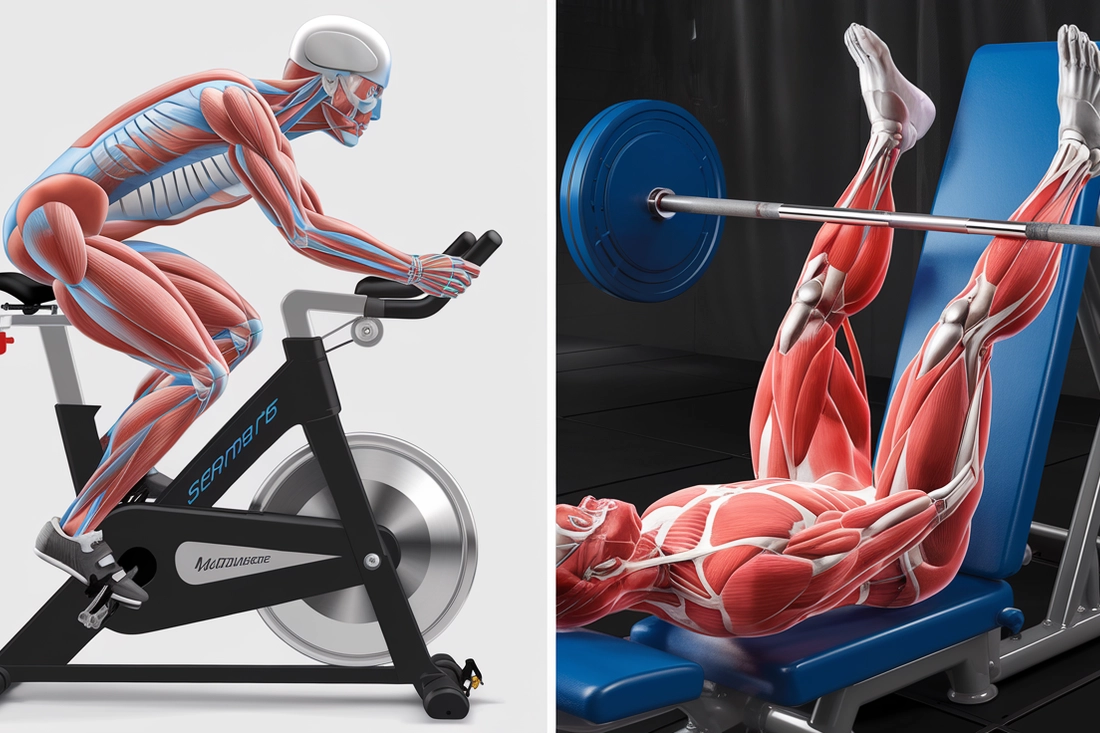 FIG 2.1: Force distribution and activation logs.
3.0 Joint Integrity Lab: Stress Analysis
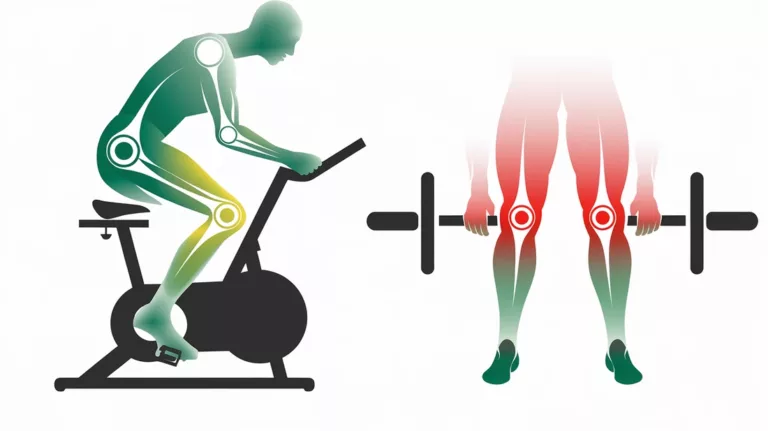 FIG 3.1: Thermal map of joint compressive force.
Cycling is a “Fluid Engine,” keeping joints lubricated. In contrast, the leg press is a “Structural Engine” requiring careful management.
Hardware Selection: Top Audited Engines
Based on our technical audits for frame integrity and safety, these are our top-rated recommendations.
Best Vertical Cycle
Top-rated for magnetic resistance stability and senior-safe ergonomics.
View Technical Audit →Home Leg Press Audit
Structural yield tested for high-load sled-track safety.
View Technical Audit →