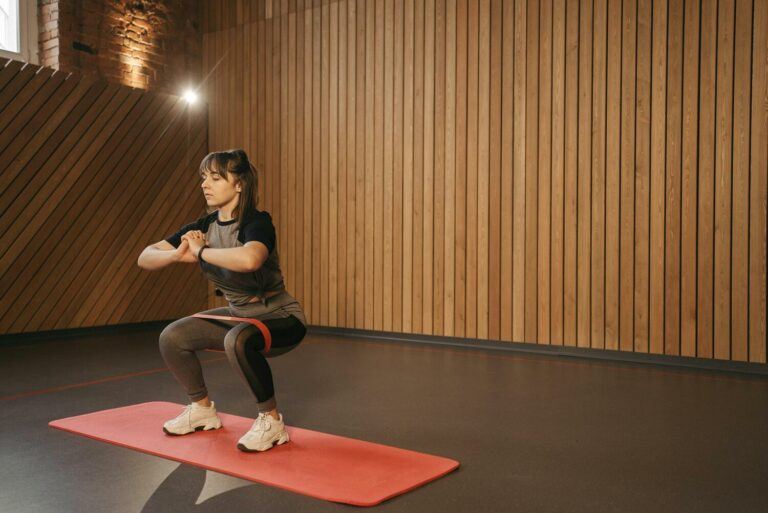
Mobility and Balance Hub
Expert-led guidance on flexibility tools, stability technology, and injury prevention for long-term independence and joint health.
The Specialist’s Material Standard
Most mobility reviews focus on aesthetics and branding. As a specialist, I evaluate equipment based on material density, traction coefficients, and ergonomic support. My objective is to help you find tools engineered to prevent slips and protect your joints, adhering to the CDC STEADI fall prevention protocols for maintaining safety and independence at home.
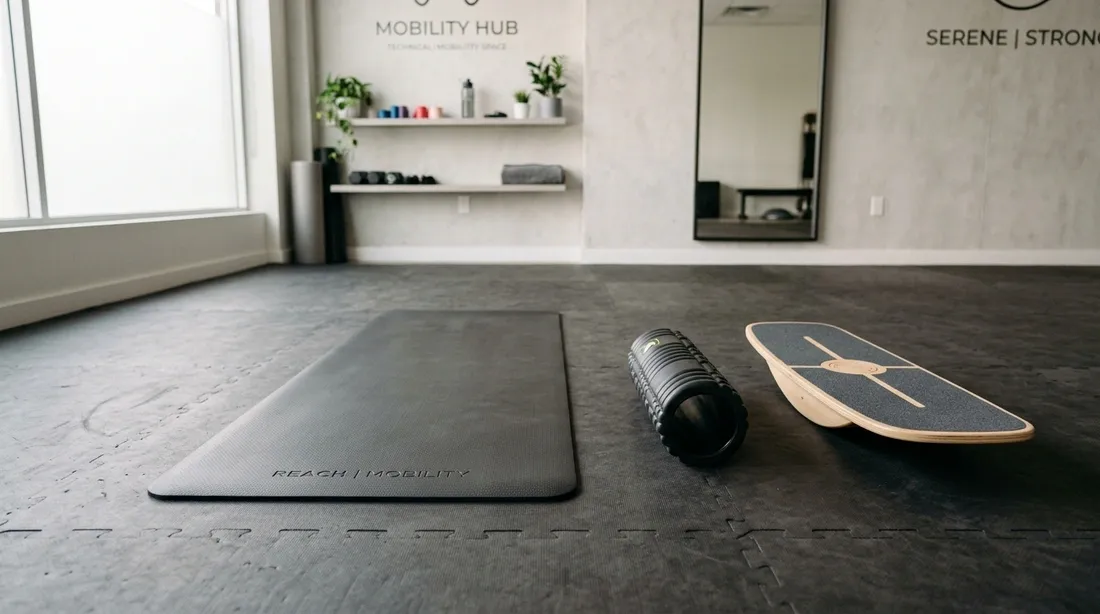
Stability Tool Technical Checklist
Verify these surface and material specs to ensure maximum safety during balance work.
Traction Coefficient
Ensure mats and boards have a “high-grip” finish that maintains friction even when moisture is present.
Material Density
Check for “bottoming out.” A mat that is too soft offers zero joint protection for knees and wrists.
Toxicity/Off-gassing
Prioritize TPE or Natural Rubber. Avoid cheap PVC tools that release harmful VOCs in small home spaces.
Essential Mobility Pillars
Pillar resources for maintaining independence and pain-free movement.
Beginner’s Safety
Establishing a safe, non-slip environment for your first mobility routine.
View Page →Clinical Readiness
How to assess your current balance thresholds with professional medical oversight.
View Page →Industrial Safety
Understanding load-bearing ratings for balance boards and stability tech.
View Page →Which Tool Fits Your Mobility Level?
Technical selection based on joint sensitivity, balance level, and safety needs.
High-Density Mats
Impact: ZeroBest for joint protection and foundational floor-work safety.
View Technical Reviews →Balance Boards
Stability TrainingBest for neuro-motor coupling and ankle/core stabilization.
View Technical Reviews →Recovery Rollers
Myofascial ReleaseBest for sciatica relief and improving circulation post-workout.
View Technical Reviews →Latest Posts
- How to Choose the Best Portable Ice Bath Cold Plunge System
- At-Home Infrared Sauna Blanket Safety Guide – EMF and Material Science
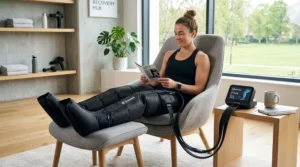
- Pneumatic Compression Boots Muscle Recovery Guide – Science and Hardware
- At Home Red Light Therapy Panels – Wavelength and Irradiance Guide

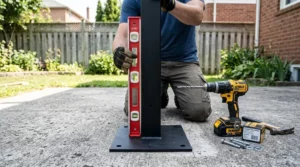
- How to Anchor Outdoor Pull Up Bar Stations – Concrete and Soil Safety
Mobility Care Roadmap
Ensuring your stability tools remain safe and structurally sound.
Sanitize mats and rollers to prevent bacterial buildup and maintain surface grip.
Inspect balance board pivot points. Verify rubber bases have not become brittle.
Check foam for “permanent compression” which compromises therapeutic value.
Full material audit. Replace any tools showing signs of surface degradation.

Latest Expert Insights
The newest reviews, technical comparisons, and research-backed training methods.