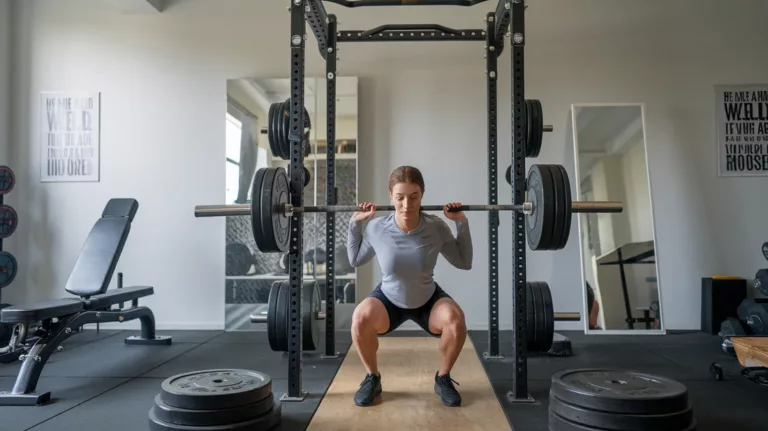
Home Strength Training Guide
Industrial-grade advice on adjustable weights, structural benches, and home gym systems for muscle health and longevity.
The Specialist’s Selection Standard
Most strength reviews focus on aesthetics and price. At Reliable Home Fitness, we look deeper. My objective is to evaluate equipment based on structural integrity, weld quality, and safety certifications. I help you select gear engineered for your health, ensuring your setup supports the NSCA position statements on resistance training for older adults for safe muscle maintenance.
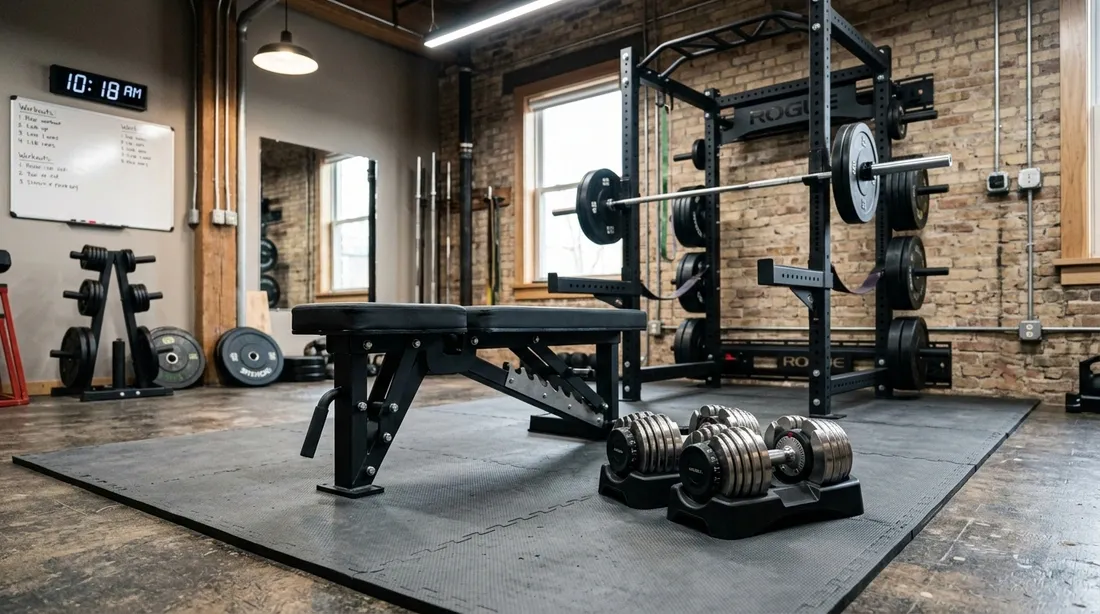
Strength Equipment Technical Checklist
Verify these structural points to ensure your gear handles the load safely over time.
Locking Mechanisms
Verify that selector pins and dumbbell locks engage fully without any “play” or slipping.
Anchor Integrity
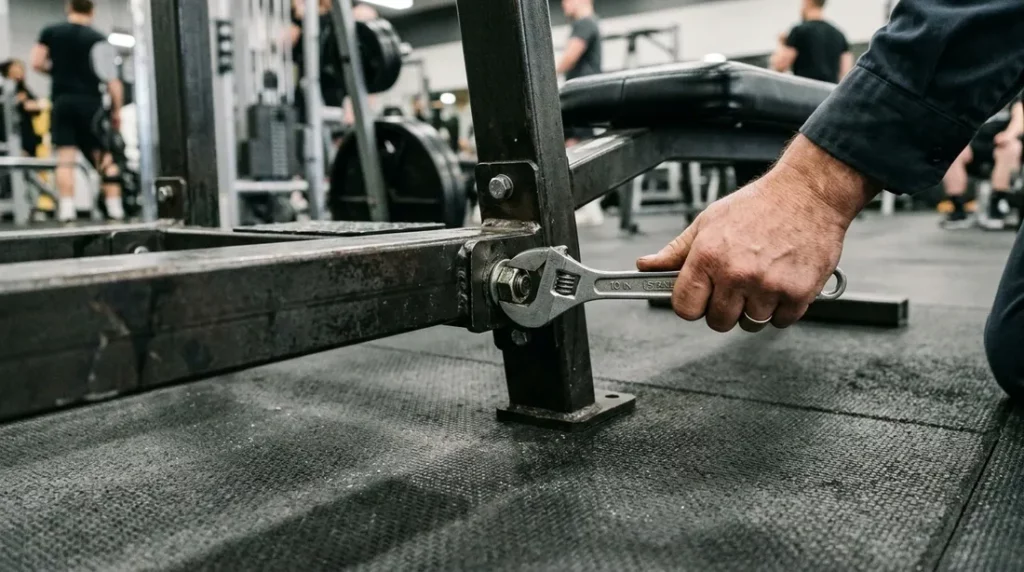
Check the frame pivot bolts and floor anchors. Any movement under load is a sign of structural fatigue.
Cable & Pulley Wear
Inspect cables for “bird-caging” (fraying) and ensure pulleys rotate smoothly without grinding.
Essential Strength Pillars
Foundational guides for building muscle safely without risking joint injury.
Beginner’s Safety
Foundational protocols for setting up a safe home lifting environment.
View Page →Clinical Readiness
Establish your safe loading limits with our clinical strength checklist.
View Page →Industrial Safety
Steel gauges, cable ratings, and mechanical certifications explained.
View Page →Which Gear Fits Your Strength Goals?
Technical selection based on space, progressive load, and mechanical reliability.
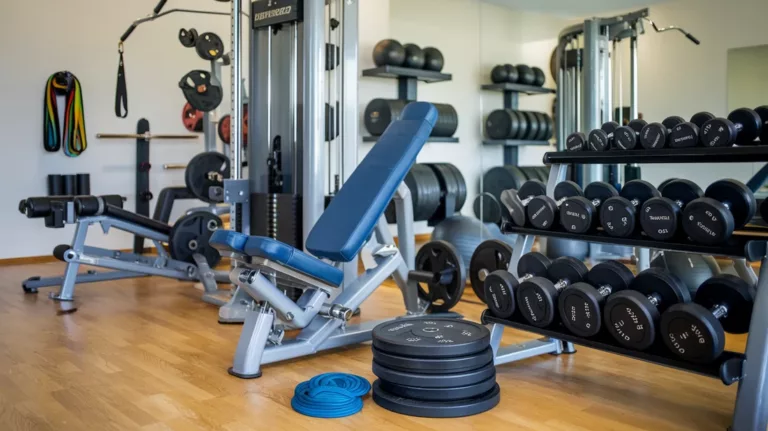
Dumbbells
Versatility: HighBest for isolation and functional balance across all ages.
View Technical Reviews →Weight Benches
Impact: ZeroFoundational support for stable, heavy loading exercises.
View Technical Reviews →Cable Systems
Constant TensionBest for safe, multi-plane movement with guided control.
View Technical Reviews →
About IndraP
IndraP is a Technical Equipment Specialist focusing on internal mechanics and industrial safety. He identifies gear that is safe, durable, and reliable.
Latest Posts
- How to Choose the Best Portable Ice Bath Cold Plunge System
- At-Home Infrared Sauna Blanket Safety Guide – EMF and Material Science

- Pneumatic Compression Boots Muscle Recovery Guide – Science and Hardware
- At Home Red Light Therapy Panels – Wavelength and Irradiance Guide

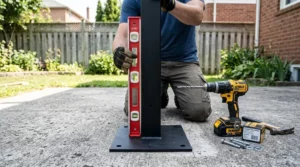
- How to Anchor Outdoor Pull Up Bar Stations – Concrete and Soil Safety
Strength Maintenance Roadmap
Proactive care to extend the life of your gear.
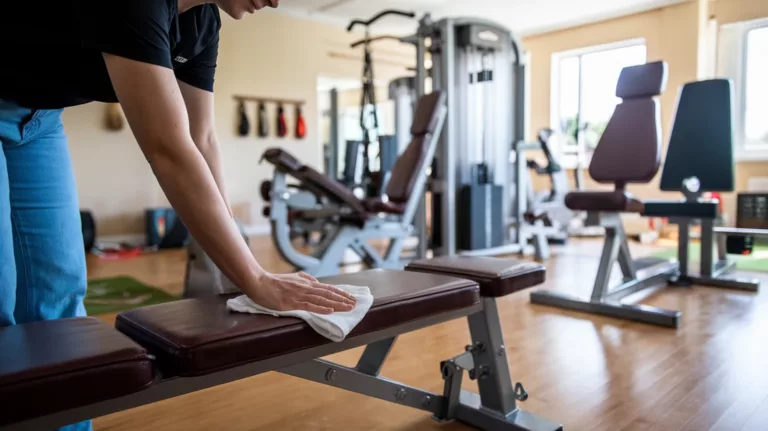
Wipe down upholstery to prevent material degradation from sweat.
Inspect pulley bolts and cable terminals for any signs of fraying.
Apply dry-Teflon lubricant to selector rods for smooth operation.
Tighten all structural bolts to manufacturer torque specs.
Latest Expert Insights
The newest reviews, technical comparisons, and research-backed training methods.