
Taking that first step toward consistent home fitness is an exciting commitment—but for most beginners, the treadmill is a “black box.”
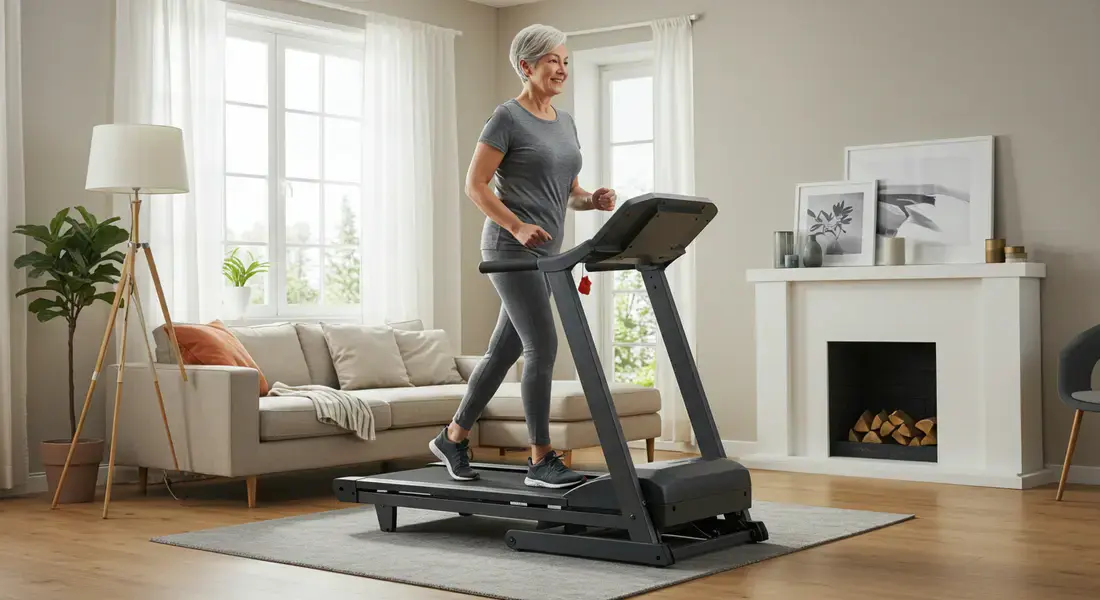 FIG 1.1: System Initialization for Entry-Level Treadmill Use.
While a treadmill feels familiar, the technical specifications are often overwhelming for those just starting out.
Specifically, you may find yourself auditing critical questions like: “Is this motor built to last?”, “Will this deck protect my joints?”, or “How do I train without the risk of losing my balance?”
You’ve landed in the perfect spot. This isn’t just a basic guide; it is a Technical Masterclass Hub.
Furthermore, we are moving beyond generic advice to provide board-level insights. We audit the features that actually matter. Consequently, you can build your home gym with 100% confidence.
Treadmill Bio-Benefits
Cardiovascular audits and metabolic data.
Initialize Module →Motor & Drive Diagnostics
Analyzing CHP vs HP and cushioning physics.
Initialize Module →Safety Protocols
Emergency stop audits and senior standards.
Initialize Module →Maintenance & Longevity
Belt lubrication and thermal management.
Initialize Module →1.0 The Technical Rationale – Why Treadmills Win
The treadmill is the preferred cardiovascular tool because it offers a controlled environment for metabolic auditing. Unlike outdoor running, you can monitor every variable with precision.
Furthermore, modern treadmill engineering focuses heavily on joint-impact mitigation. By reducing peak impact forces by up to 30% compared to asphalt, these machines meet the critical aerobic activity standards set by the Mayo Clinic.
Module 01: The Biology of Treadmill Training
Access our 2,000-word audit on muscle engagement and calorie burn physics.
Initialize Module 01 →2.0 Decoding Drive Systems: Manual vs. Motorized
Treadmill selection depends on drive-system physics. While motorized units require an audit of electrical components, the interface is your primary diagnostic tool.
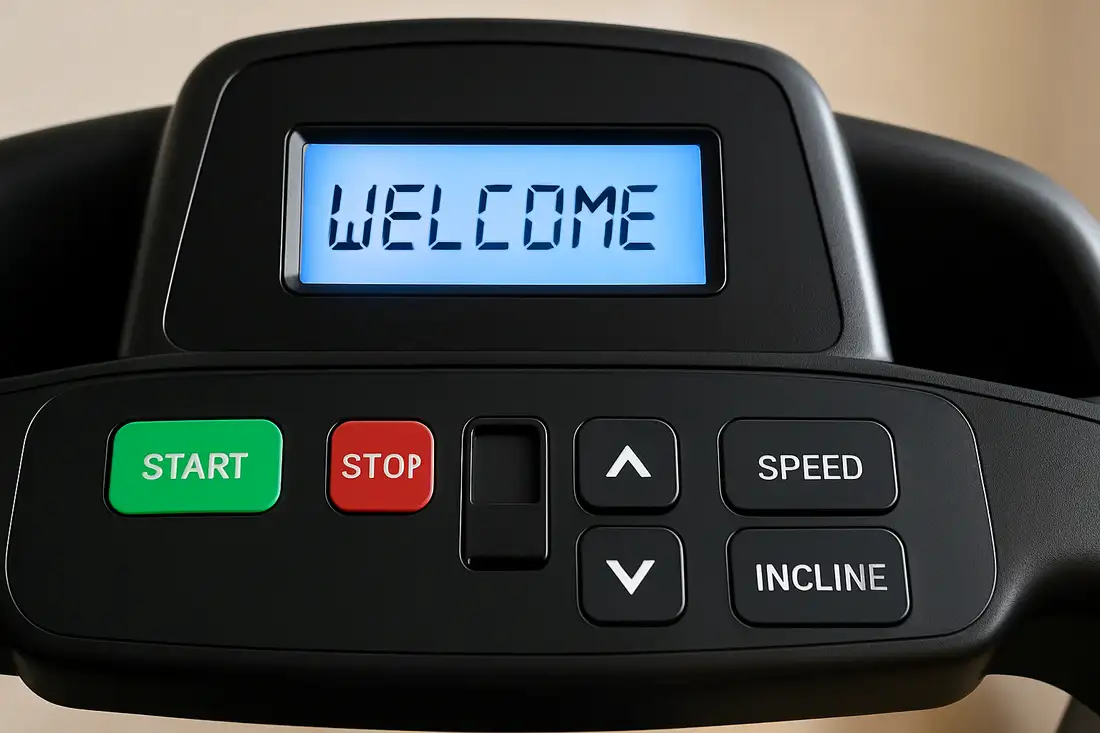 FIG 2.1: Human-Machine Interface (HMI) and primary control audits.
The most critical metric is Continuous Horsepower (CHP), which defines the motor’s ability to maintain speed under load without crossing thermal thresholds.
| Component | Rationale | Min. Threshold |
|---|---|---|
| Drive Motor | Consistent RPM under user load. | 1.5 – 2.0+ CHP |
| Belt Surface | Prevents biomechanical drift. | 18″W x 50″L |
| Impact System | Maintains joint integrity. | Variable Elastomers |
| Velocity Cap | Progressive metabolic intensity. | 0 – 10.0 MPH |
| Incline Range | Posterior chain engagement. | 0 – 10% Grade |
*Note: Calculated for 180lb user. Heavier athletes require 2.5+ CHP.
Module 02: Motor & Drive Diagnostics
Learn to diagnose CHP ratings and frame structural yield.
Initialize Module 02 →3.0 Biomechanical Safety & Risk Mitigation
Safety is achieved through redundant systems. Athletes should follow equipment initialization standards recommended by the National Institute on Aging (NIH).
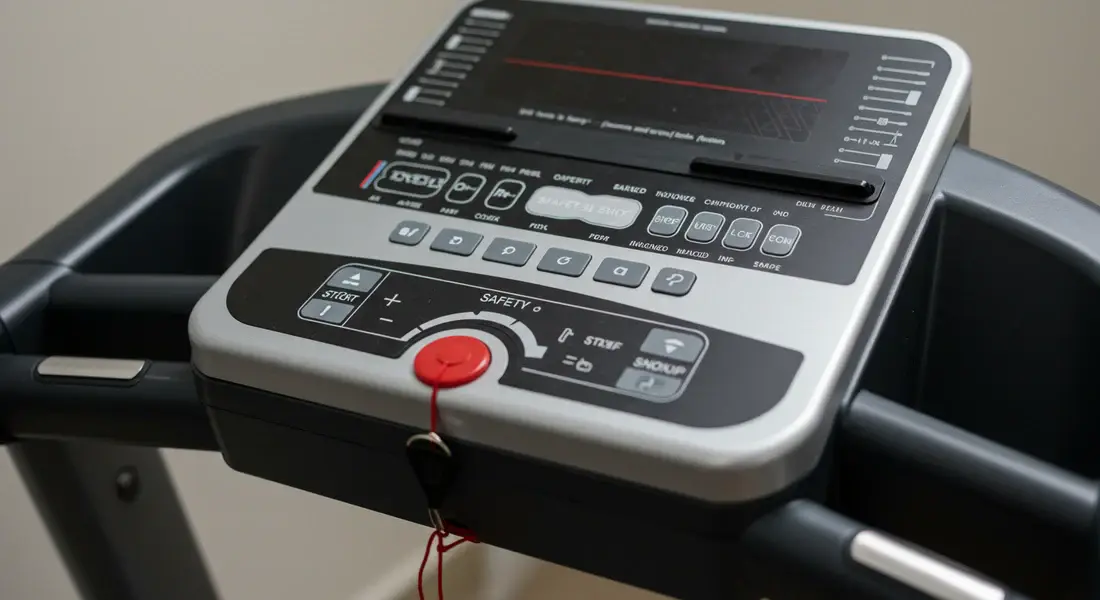 FIG 3.1: Primary Safety Cut-off (Mechanical Redundancy).
Beyond hardware, safety relies on Vertical Posture Alignment to prevent biomechanical drift and balance loss.
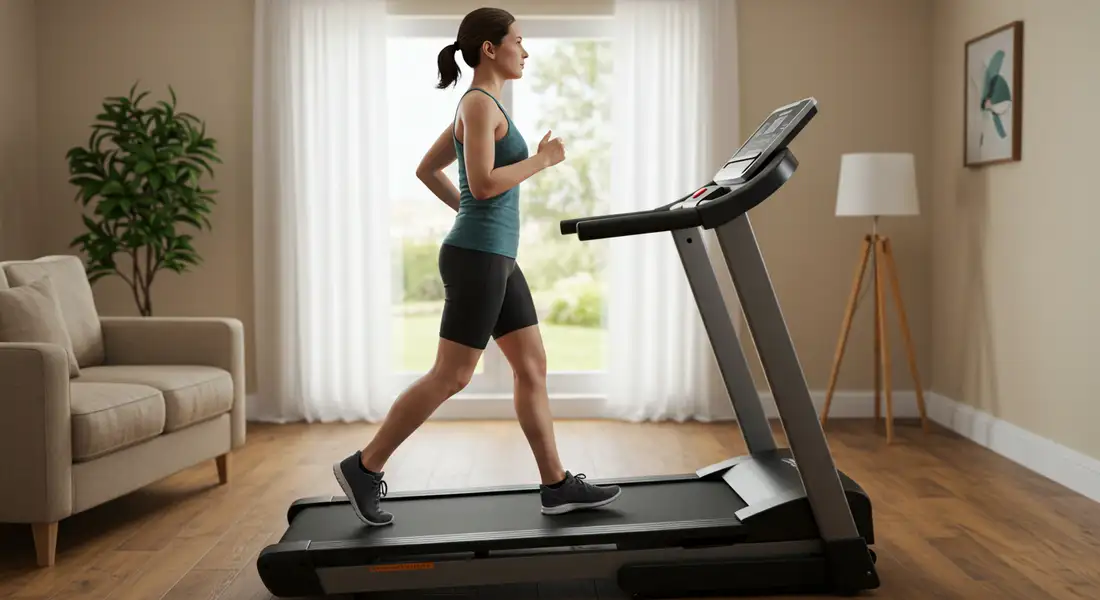 FIG 3.2: Biomechanical Posture Audit for Entry-Level Athletes.
Module 03: Safety Protocols
View our fall-prevention engineering and stop calibration guides.
Initialize Module 03 →4.0 Technical Longevity & Maintenance
The #1 killer of treadmill electronics is friction-induced heat. To ensure maximum longevity, athletes should adhere to testing methods established by ASTM International (Standard F2106).
Module 04: Maintenance & Longevity
Access our master checklist to keep your machine running for a decade.
Initialize Module 04 →