
If you are training at home without a coach, data is your only objective feedback.
Without it, you are flying a plane without a dashboard—you might be moving, but you have no idea if you’re heading toward your destination or toward a crash.
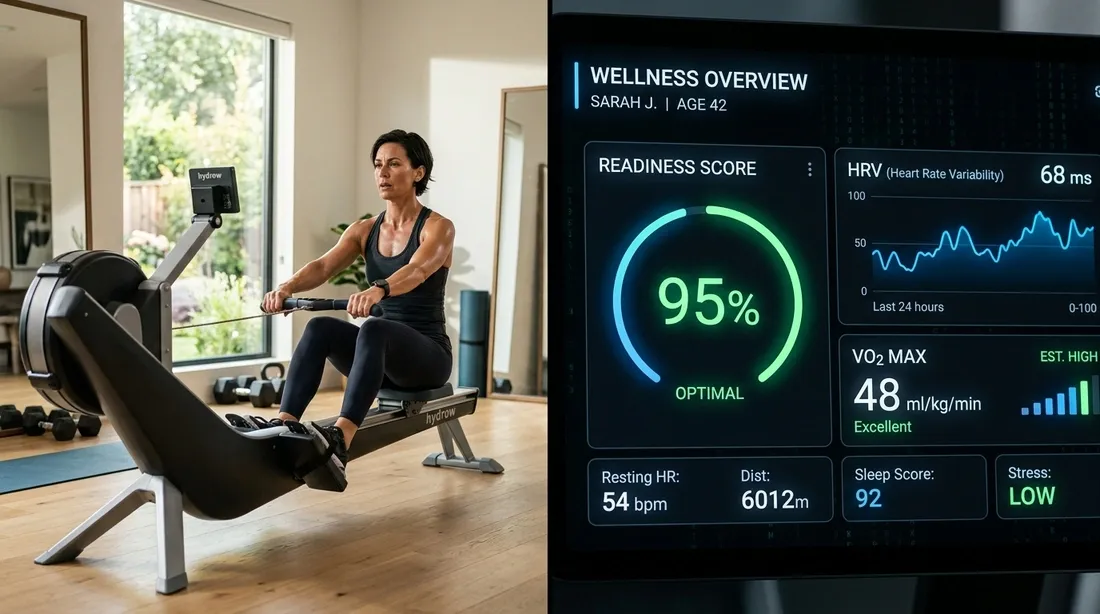
In the past, “tracking” meant stepping on a bathroom scale once a week.
Today, we have access to “Biofeedback”—real-time data from our heart, lungs, and muscles.
This guide introduces the modern ecosystem of fitness tracking, part of our Complete Guide to Starting Home Fitness.
In This Guide:
💡 How do I track fitness progress effectively?
Effective fitness tracking requires a multi-point data approach. Instead of relying solely on body weight, modern trainees should track Biological Markers (Heart Rate Variability and Resting Heart Rate), Performance Markers (Strength gains on your Home Leg Equipment), and Body Composition (Muscle vs. Fat percentage). Using a combination of a high-quality smartwatch and a smart body composition scale provides a 360-degree view of your health.
Key Metrics – What Actually Matters?
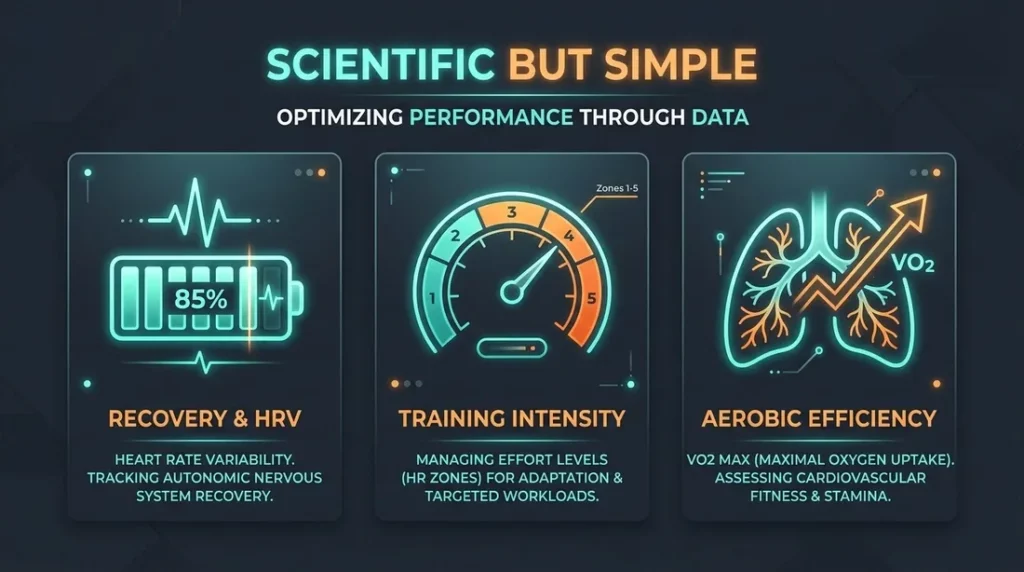
To see real results, you must look past “vanity metrics” and focus on the data points that indicate actual physiological change.
As we discussed in Tracking Progress Beyond the Scale, the mirror often changes before the scale does.
✅ The 3 Pillars of Fitness Data
- Recovery (HRV): Heart Rate Variability tells you if your nervous system is ready for a heavy session on your rowing machine or if you need a rest day.
- Intensity (Zone Training): Tracking your heart rate zones ensures you are working hard enough to trigger fat loss but not so hard that you cause injury.
- Efficiency (VO2 Max): This measures how well your heart and lungs use oxygen—the gold standard for health, especially when using interactive fitness equipment.
The Progress Tracking Library
Master the data behind your transformation with our technical guides.
01. Biofeedback
The Science of Readiness – Recovery vs. Training →
02. Body Metrics
Beyond the Scale – Measuring Real Progress →
03. Performance
Data-Driven Breathing & VO2 Max Optimization →
04. Gear Selection
Choosing Premium Trackers – Watch, Ring, or Strap? →
05. Diagnostics
Quantifying Muscle Healing with Modern Tech →
06. Documentation
From Notebooks to AI – Logging Your Gains →
07. Strategy
Adaptive Fitness Goals – Pivoting for Consistency →
The Tech Ecosystem – Automating Your Success
For a busy 40-year-old professional or a senior focusing on Active Aging, manual logging is often the first thing to fail.
A premium tech ecosystem automates this:
- Wearables: Devices like the Apple Watch Ultra or Garmin Fenix provide constant streams of Breathing Analysis and activity data.
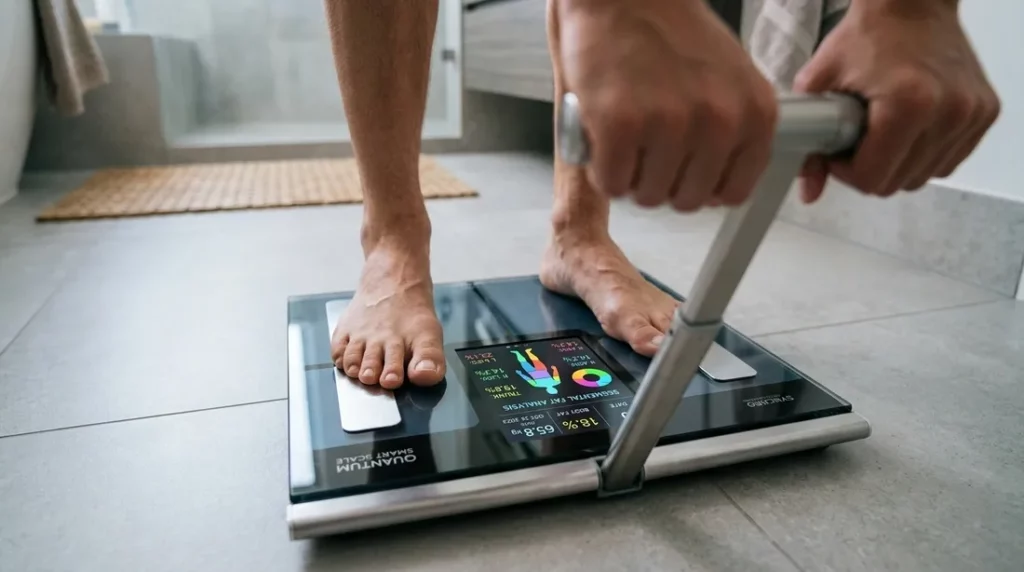
- Smart Scales: These don’t just weigh you; they use Bioelectrical Impedance (BIA) to map your muscle mass.
- App Integration: Your data should flow seamlessly into one “Health Dashboard” so you can spot trends over months, not just days.
IndraP’s Technical Note on Sensor Accuracy and Signal Noise
In my experience with board-level electronics, I see how “noise” can ruin a data signal. Fitness trackers are no different.
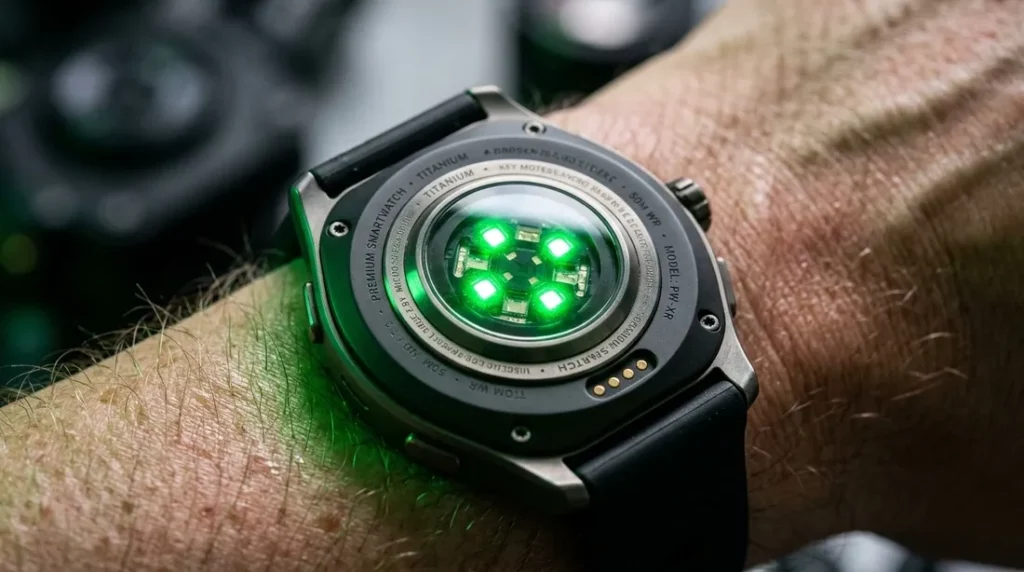
🛠️ Technical Specialist’s Note – Eliminating “Sensor Noise”
“When I troubleshoot a circuit, I look for ‘signal interference.’ Your fitness tracker faces the same challenge. Many beginners get frustrated by ‘dirty data’ because they don’t account for these three technical interference factors:”
- The Tattoo/Hair Barrier: Optical PPG sensors (the green lights) struggle to penetrate dark ink or thick hair, leading to heart rate ‘dropouts.’ If this is you, use a Chest Strap for accuracy.
- The Cold Start: In cold weather, blood flow to the skin decreases (vasoconstriction). Your watch might ‘lose’ your pulse until you are warmed up.
- Cadence Lock: If your watch is loose, it might mistake the ‘rhythm’ of your running steps for your heart rate. The Fix: Wear the device one finger-width above the wrist bone and keep it snug.”
— IndraP
Premium Tracking Tools for High Performance

If you are serious about your Home Gym Investment, these are the gold-standard tools to measure your return on that investment.
🏆 The Ultimate Health Monitor – Apple Watch Ultra 2
Why it matters: For the busy professional, this is a communication tool and a medical-grade health tracker in one. Its dual-frequency GPS and advanced heart sensors make it the most reliable “dashboard” for home athletes.
💎 The Scientist’s Choice – Withings Body Scan Smart Scale
Why it matters: This is not a scale; it is a clinical-grade body composition station. It provides a 6-lead ECG and segmental body fat analysis (showing you exactly how much fat is on each arm and leg).
💰 Technical Budgeting – Subscriptions vs. Ownership
In the 2026 fitness landscape, many brands have moved to a “Software as a Service” (SaaS) model. When choosing your ecosystem, consider the “Long-Term Cost of Ownership.”
- AI Coaching Ecosystems: Brands like Garmin and Withings generally offer their AI insights for a one-time hardware cost.
- Subscription Models: Brands like Whoop or Fitbit Premium require monthly fees to unlock your data. If you hate monthly bills, focus on “Hardware-First” brands.
IndraP’s Advice: For beginners, a one-time investment in a Garmin or Apple Watch usually provides the best technical ROI.
Frequently Asked Questions
Q: Can I track progress without buying expensive tech?
Yes. Using a simple notebook to track your “work capacity” (more reps or heavier weights) is highly effective. However, tech allows you to see “invisible” metrics like Respiratory Health and sleep quality that manual logging cannot capture.
Q: How often should I check my data?
Check your Recovery (HRV) daily to plan your workout intensity. Check your Body Composition once a week. Avoid daily weigh-ins as water fluctuations can create “false data” that hurts your long-term Fitness Motivation.
🚀 Quick Start – Your Tracking Checklist
- 🔳 Choose your ‘Hub’: Pick one app (Apple Health, Garmin Connect, or Google Fit) to be your master dashboard.
- 🔳 Calibrate your baseline: Wear your tracker for 14 nights straight to establish your ‘Normal’ HRV and Sleep.
- 🔳 Ignore the Daily Scale: Commit to weighing in only once per week to avoid ‘Water Weight’ false data.
- 🔳 Log one ‘Non-Scale’ win: Record one RPE improvement or a better sleep score every week.
Conclusion – Data-Driven Success
Tracking your progress turns your home fitness journey from a “guessing game” into a “technical project.”
By monitoring your bio-metrics and performance, you can make small adjustments to your Sandbag Training or cardio routines before you hit a plateau.
Now that you understand the “Why” and “What” of tracking, it’s time to dive into the most critical metric for long-term health: Recovery.
Next Step – Master Your Readiness
How to Track Recovery & Burnout →
About IndraP
IndraP is the founder of Reliable Home Fitness and a Technical Equipment Specialist. Collaborating with industry leaders like FoliageField.com, he specializes in identifying top-tier training equipment.
With unique expertise in board-level repairs and upgrades, Indra looks beyond the marketing hype to test the internal mechanics of the machines he reviews. His mission is to help you invest in gear that is safe, durable, and reliable.