
Standard gym machines move in fixed, predictable planes. Life doesn’t.
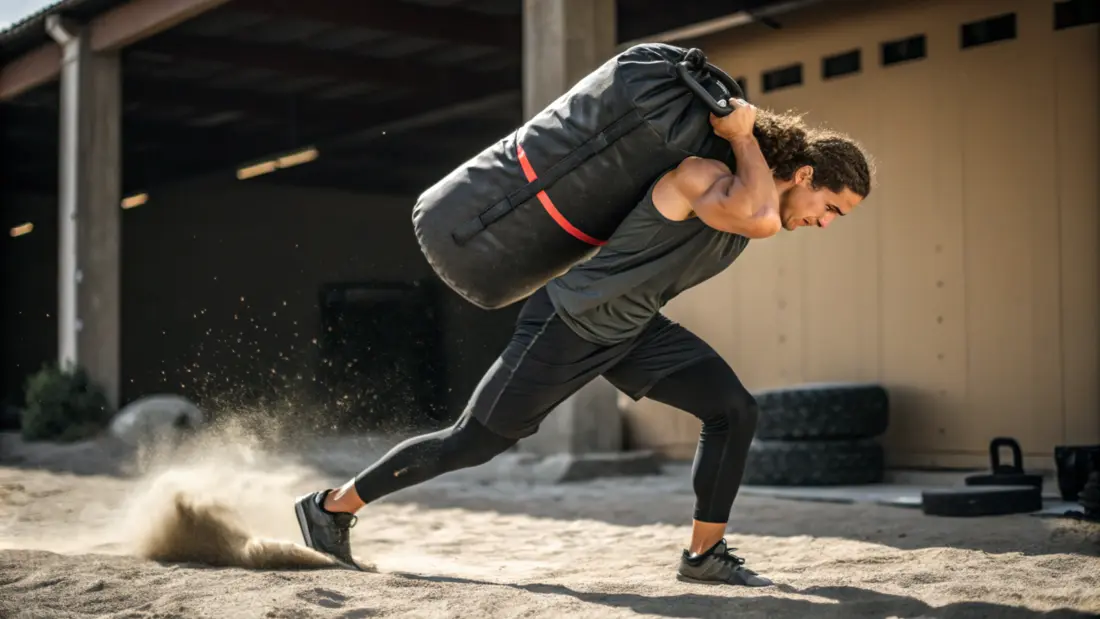 FIG 1.1: System Initialization: Managing Unstable Loads in a Home Environment.
Sandbag training is the ultimate tool for functional biomechanics. Unlike a barbell, the weight inside a sandbag shifts constantly.
This “unstable load” forces your nervous system to recruit more stabilizer muscles. Specifically, you may ask: “How do I choose the right fill weight?”, “Is my spine safe under shifting loads?”, or “Can a bag replace my entire home gym?”
You’ve landed in the perfect spot. This is a Technical Masterclass Hub. We move beyond generic fitness tips to provide board-level insights into Unconventional Strength engineering.
Functional Power
Proprioception and Sarcopenia defense data.
Jump to Audit ↓Posture Alignment
Audit of spinal safety and stabilizer recruitment.
Jump to Audit ↓Hardware Audit
Nylon denier, seam integrity, and fill-tech.
Jump to Audit ↓Initial Protocols
Low-complexity movements for adaptation.
Jump to Audit ↓1.0 The Biological Rationale: Proprioception & Power
According to the American Council on Exercise (ACE), training with unstable loads improves proprioception and metabolic efficiency. It is the primary tool for Sarcopenia Defense in athletes over 50. It targets the small stabilizers used in fall prevention that heavy machines often ignore. Review the ACE Technical Model for more on integrated training.
 FIG 2.1: Core-Chassis Stabilization under variable mechanical tension.
2.0 Safety Standards: Posture Maintenance
Safety in sandbag training is governed by posture maintenance. Unlike a barbell, the bag wants to pull your spine out of alignment.
Athletes must initialize movement with a neutral spine. Always follow the safety standards established by the National Academy of Sports Medicine (NASM). Proper bracing prevents the shear force that occurs when a load shifts unexpectedly.
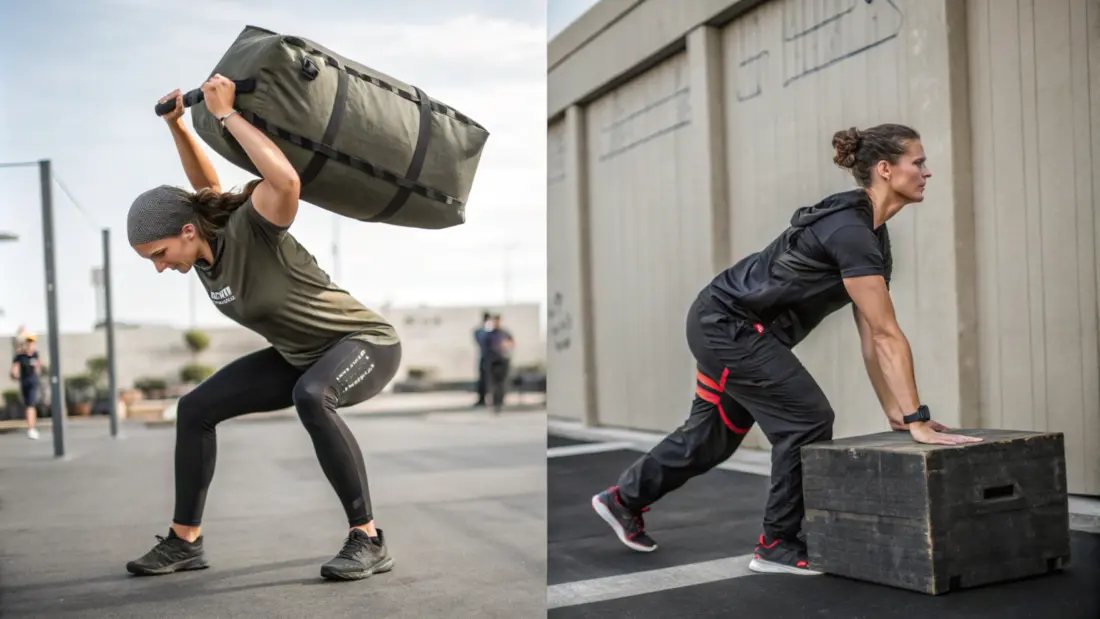 FIG 2.2: Biomechanical Posture Audit: Mid-line Stabilization during the Clean-and-Press.
3.0 Hardware Selection: Top Audited Engines
We audit sandbags based on Nylon Denier and Seam Reinforcement. For home athletes, leaking sand is a technical failure. These units have passed our structural yield tests.
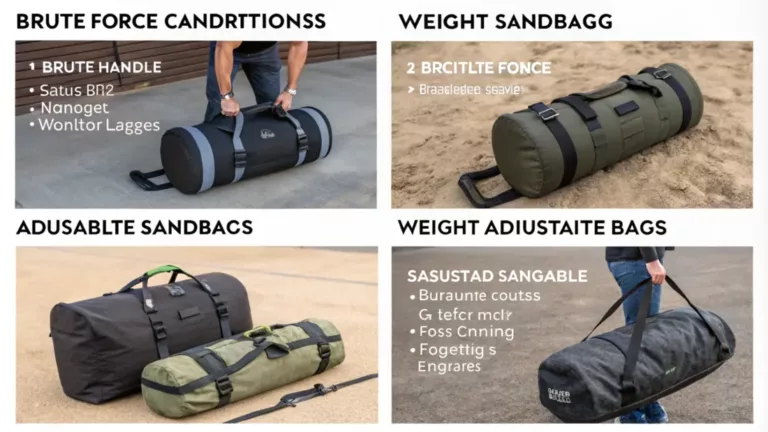 FIG 3.1: Hardware Audit: Component Integrity and Grip Reliability.
Industrial Weighted Bag
Triple-stitched 1050D Cordura nylon. Engineered for high-impact slam protocols.
View Technical Audit →Multi-Handle Training System
A high-utility unit that initializes both strength and metabolic HIIT protocols.
View Technical Audit →Ergonomic Soft-Grip Bag
Optimized for senior safety and joint protection. High ROI for proprioception training.
View Technical Audit →Professional Elite Sandbag
Used in tactical conditioning. Features reinforced linear-load distribution.
View Technical Audit →4.0 System Adaptation: Initial Protocols
To ensure metabolic adaptation, begin with low-complexity movements. Review the American College of Sports Medicine (ACSM) guidelines for safe intensity scaling. Focus on Volume before Velocity.
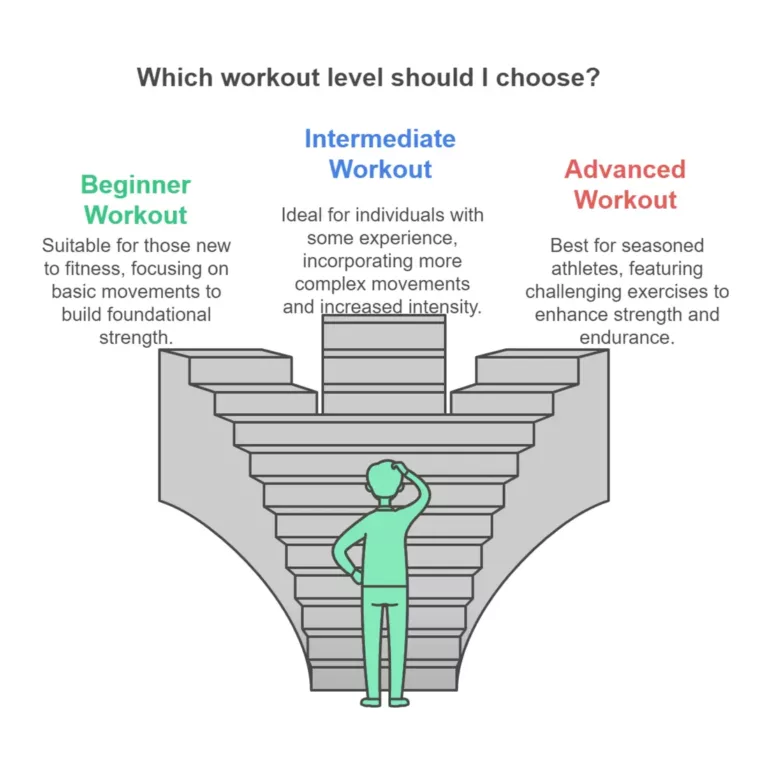 FIG 4.1: Technical Workflow: Progressive Loading Protocols for Beginners.
| Level | Bag Weight (Male) | Bag Weight (Female) |
|---|---|---|
| Initialization | 20 – 40 lbs | 10 – 20 lbs |
| Functional Power | 40 – 60 lbs | 20 – 40 lbs |
| Elite Load | 60+ lbs | 40+ lbs |
