
You’ve finished a tough home workout, and you know that recovery is the “magic window” where your results actually happen.
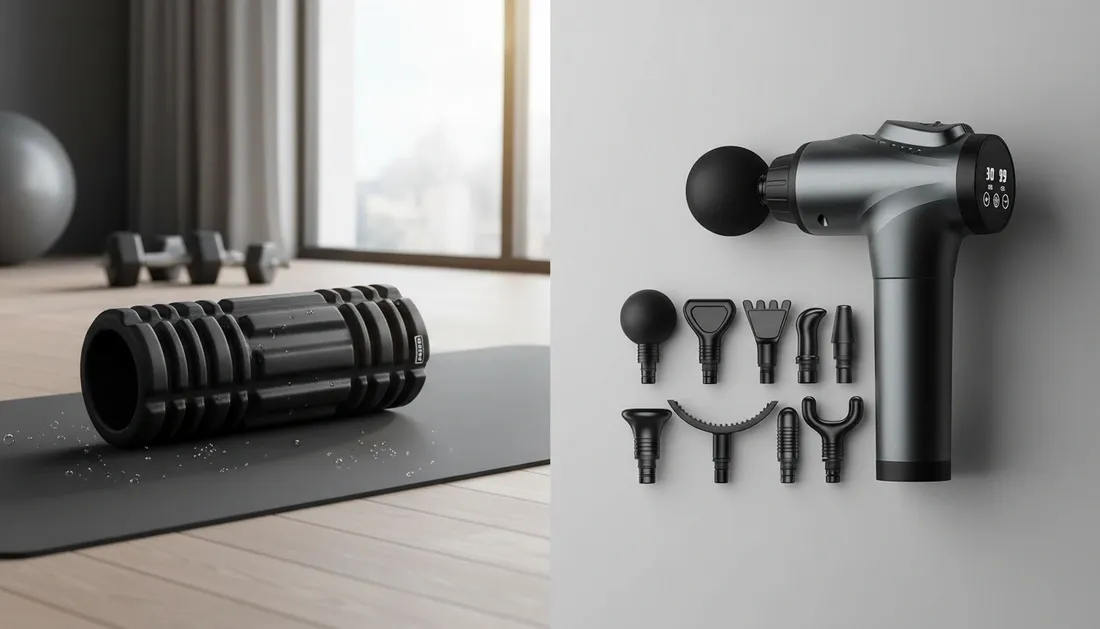
But as you look to invest in a recovery tool, you’re faced with the ultimate showdown: The classic foam roller or the high-tech massage gun?
A 2020 study published in the Journal of Sports Science and Medicine compared the two tools and found that while both significantly improved range of motion, percussive therapy (massage guns) was particularly effective for increasing flexibility without decreasing muscle strength.
However, they serve very different purposes.
This guide breaks down the definitive comparison to help you decide which tool best fits your needs, budget, and home setup.
💡 Is a massage gun better than a foam roller?
A massage gun is superior for targeting specific, deep muscle knots (trigger points) and requires less physical effort to use. A foam roller is better for “flushing” large surface areas like the quads or back and improving overall mobility. For beginners on a budget, a foam roller is usually the best first investment; for those with chronic tightness or a larger budget, a massage gun provides deeper relief.
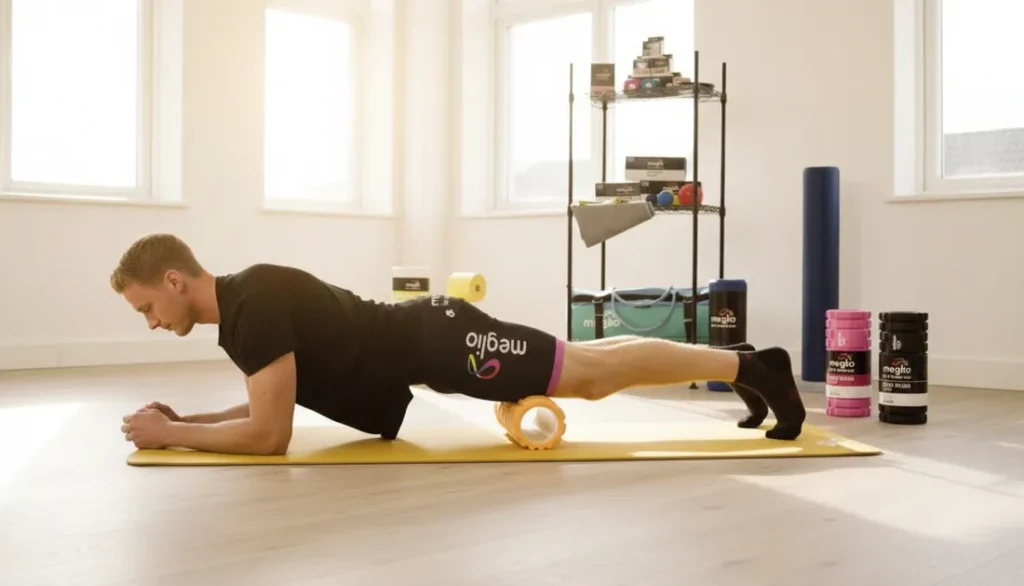
The Head-to-Head Comparison
Both tools perform “Self-Myofascial Release” (SMR), but their methods are fundamentally different.
Here is how they stack up side-by-side:
| Feature | Foam Roller | Massage Gun |
|---|---|---|
| Pressure Type | Static, broad pressure | Percussive, targeted pulses |
| Best For | Large muscles (back, quads) | Specific knots (calves, traps) |
| Effort Level | High (Requires floor movement) | Low (Point-and-shoot) |
| Average Cost | $15 – $50 | $50 – $400+ |
Top Recommendations for Home Users
Based on our testing for noise levels (important for apartment dwellers) and durability, these are our top two picks.
1. The “Gold Standard” Foam Roller
🏆 Best Overall – TriggerPoint GRID Foam Roller
Why we picked it: It mimics a massage therapist’s hand. It is hollow and lightweight, making it easy to store in a closet or under a bed. For a deep dive into using this tool, see our Beginner’s Guide to Foam Rolling.
2. The “Game Changing” Massage Gun
💎 Pro Investment – Theragun Relief
Why we picked it: It uses true percussive therapy to reach 60% deeper into the muscle than cheap vibration guns. It’s whisper-quiet, so you can use it while watching TV without bothering your neighbors.
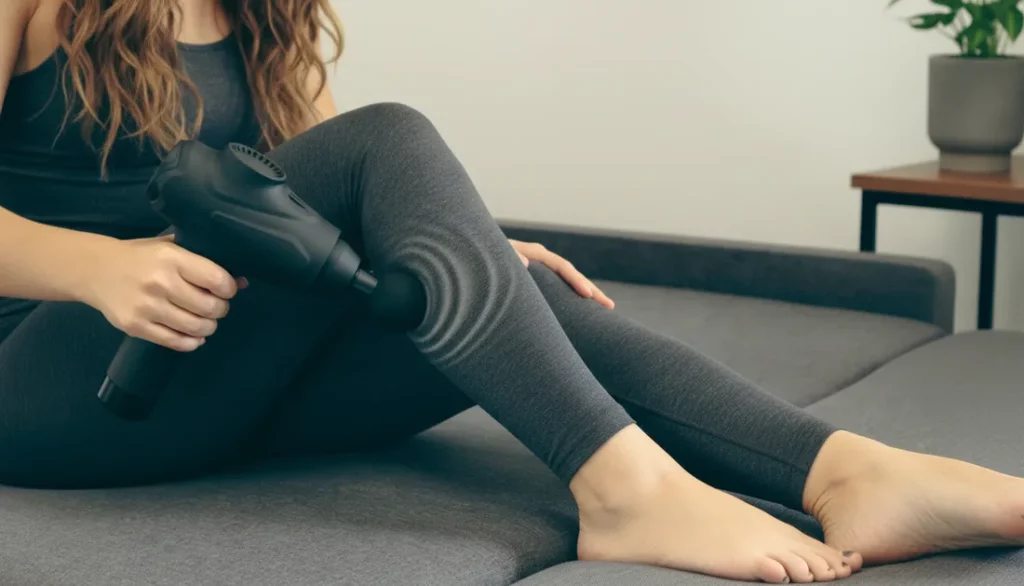
⚠️ Beginner Safety Warning
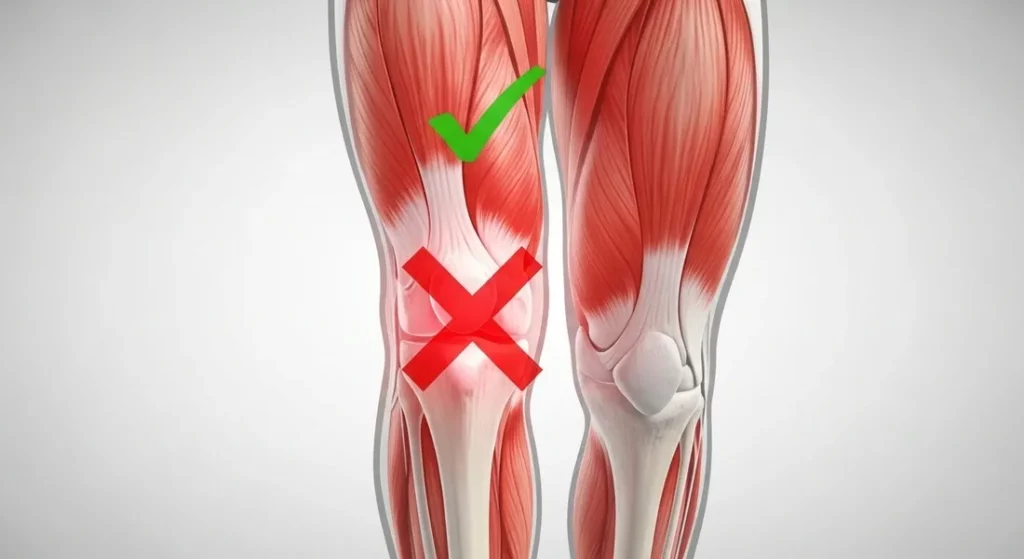
- Avoid Bones: Only use these tools on “meaty” muscle tissue. Rolling over your shins or spine can cause bruising or injury.
- The 2-Minute Rule: Don’t spend more than 2 minutes on a single muscle group. Over-working an area can lead to inflammation.
- Bruising is Bad: If you are bruising, you are pressing too hard. More pain does NOT equal more gain in recovery.
The “Best of Both Worlds” Pro Routine
In a perfect world, your recovery toolkit would include both. They are partners, not competitors.
Here is the routine we recommend for home athletes:
- Scan with the Foam Roller (5 Mins): Use the roller post-workout to do a general sweep of your large muscle groups. This helps “scan” for areas of significant tightness.
- Attack with the Massage Gun (2 Mins): Once you’ve identified a stubborn knot, use the massage gun for 30–60 seconds to deliver deep, targeted relief.
Frequently Asked Questions
Q: Can a massage gun replace a foam roller?
Not entirely. A massage gun is better for deep tissue knots, but a foam roller is better for a general warm-up and for treating large surface areas like the back. For more on general use, see our Ultimate Recovery Hub.
Q: Which is better for lower back pain?
Neither should be used directly on the spine. However, the foam roller is excellent for the glutes and hips, which often cause back pain. For specific lower back tips, check our guide on Foam Rolling for Back Pain.
Conclusion – Pick the Tool You’ll Actually Use
The foam roller remains the undefeated champion of affordable, general muscle relief.
The massage gun is the undisputed expert in convenient, deep, and targeted knot release.
Select the tool that aligns with your budget and your specific “hot spots.”
What’s your next step? Mechanical tools are only one part of recovery. To truly see results, you need to master the science of rest.
Up Next – The Science of Rest
Why Rest Days are Secretly Productive →
About IndraP
IndraP is the founder of Reliable Home Fitness and a Technical Equipment Specialist. Collaborating with industry leaders like FoliageField.com, he specializes in identifying top-tier training equipment.
With unique expertise in board-level repairs and upgrades, Indra looks beyond the marketing hype to test the internal mechanics of the machines he reviews. His mission is to help you invest in gear that is safe, durable, and reliable.