
Training is the stimulus, but recovery is the adaptation. Without a technical restoration protocol, mechanical stress leads to systemic failure.
 FIG 1.1: System Restoration: Managing Metabolic Clearing and Homeostasis.
Recovery is not “doing nothing.” It is an active biological process of metabolic clearing and tissue repair. Specifically, you must audit three critical variables: thermal mitigation, mechanical restoration, and systemic sleep architecture.
You have landed in the Technical Masterclass Hub. We move beyond generic advice to provide board-level insights. We audit the features that actually matter so you can train with 100% confidence.
Science of Rest
Homeostasis and metabolic clearing data.
Jump to Audit ↓Thermal Protocols
The “Ice vs. Heat” technical showdown.
Jump to Audit ↓Mechanical Tech
Audit of massage guns and compression.
Jump to Audit ↓Systemic Factors
Sleep architecture and hydration audits.
Jump to Audit ↓1.0 The Technical Rationale: Homeostasis & Active Rest
Rest days are secretly productive. During these periods, the body initializes the mTOR pathway for protein synthesis. Active recovery—such as low-intensity walking—accelerates the removal of metabolic waste products like lactate.
 FIG 2.1: Metabolic Flow: Active movement vs. Passive homeostasis protocols.
According to the National Institutes of Health (NIH), manual therapies and active movement are superior to total inactivity for restoring muscle force output.
2.0 Thermal Mitigation: Ice vs. Heat Technical Audit
Thermal loading must be timed to the inflammatory cycle. Cryotherapy (Ice) is used for acute vasoconstriction. This limits secondary tissue damage. Thermotherapy (Heat) is used for vasodilation. It initializes blood flow to stiff joints after the acute phase has passed.
| Protocol | Biological Effect | Optimal Timing |
|---|---|---|
| Ice (Blue) | Vasoconstriction | 0-48 Hours Post-Stress |
| Heat (Red) | Vasodilation | Chronic Stiffness / Pre-mobility |
3.0 Mechanical Restoration: Percussion & Myofascial Tools
Technical recovery requires the disruption of pain signals. Our audit of Percussion Therapy (Massage Guns) reveals that high-frequency vibration increases local blood flow. Foam rolling utilizes ischemic compression to improve the sliding surface of the fascia.
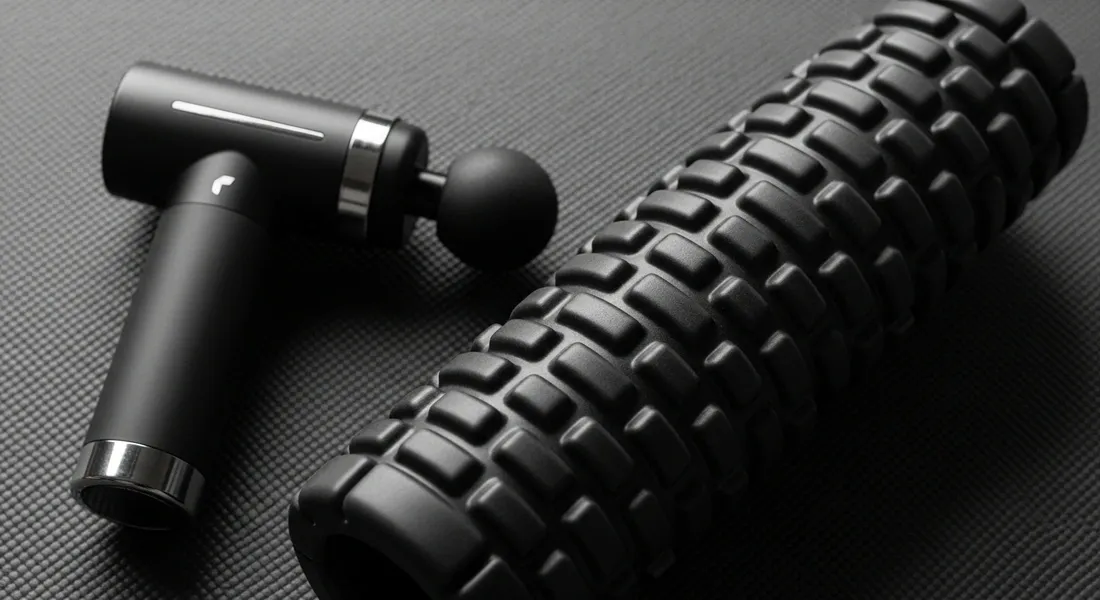 FIG 3.1: Hardware Audit: Structural density of myofascial restoration tools.
Hardware Selection: Top Audited Recovery Engines
Based on our technical audits for stall-force and battery lifecycle, these are our top-rated recommendations.
High-Stall Massage Gun
Top-rated for motor reliability and depth of percussion (12mm amplitude).
View Technical Audit →Variable Grid Foam Roller
Engineered to simulate human pressure for effective ischemic release.
View Technical Audit →4.0 Systemic Recovery: Sleep & Hydration Architecture
Sleep is the most potent recovery tool. During “Deep Sleep” stages, the body releases Human Growth Hormone (HGH). Without proper sleep architecture, your hardware investments are wasted.
 FIG 4.1: Systemic Audit: Monitoring sleep architecture for hormonal repair.
Furthermore, Hydration is an electrolyte audit. Water alone is insufficient for high-intensity athletes. You must maintain sodium and potassium thresholds to prevent muscle cramping and cardiac drift.
The Technical Recovery Hub: Specialized Protocols
Select a module below to master every aspect of your biological restoration: