For athletes prioritizing sarcopenia defense and lower-body hypertrophy, the leg press is the most effective mechanical engine in the home gym arsenal.
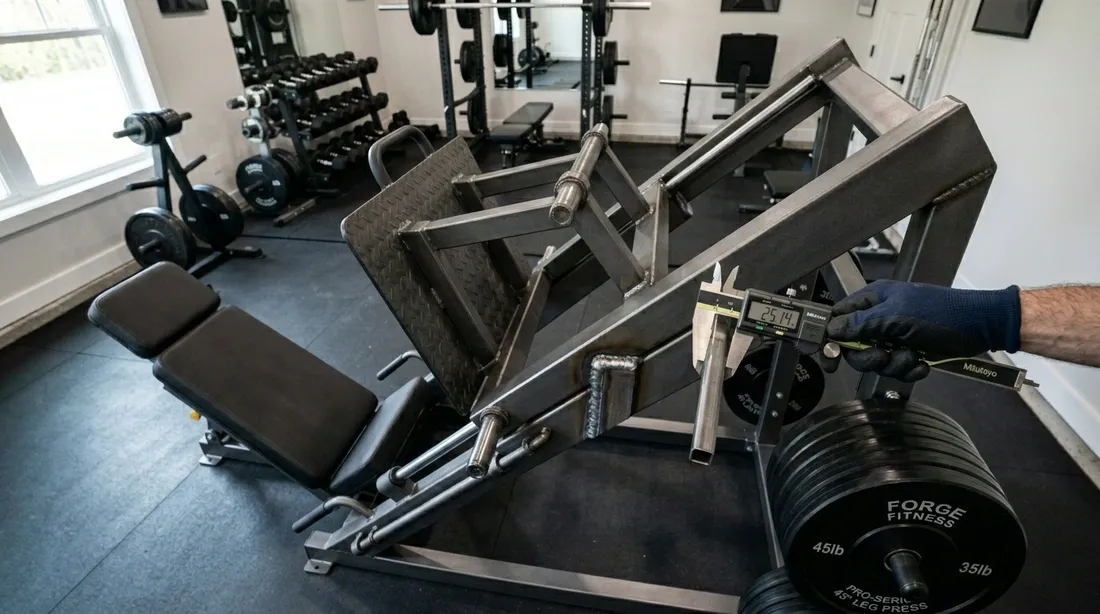 FIG 1.1: System Diagnostic and Structural Yield Audit of a 45-Degree Leg Press.
In this Technical Audit, we analyze the top-rated home leg press machines. We evaluate each unit based on its structural yield threshold and ergonomic safety, ensuring your investment delivers maximum biomechanical ROI.
1.0 Mechanical Tension: The Science of Sarcopenia Defense
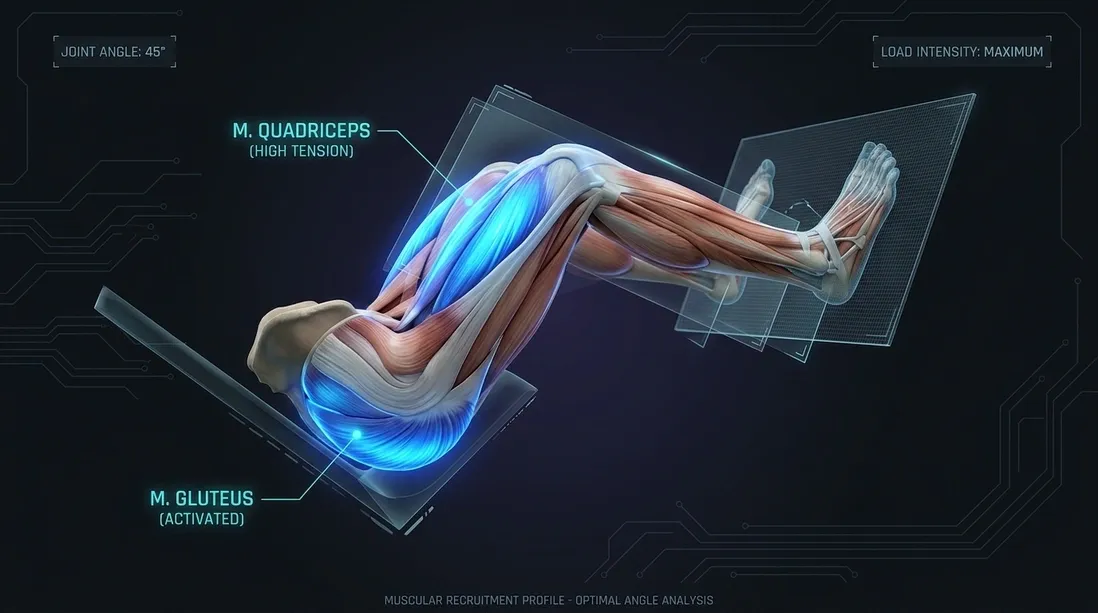 FIG 2.1: Biomechanical Mapping of Quadriceps and Gluteal Activation.
Mechanical tension is the primary driver of muscle protein synthesis. Specifically, for those combatting age-related muscle loss, the ability to safely initialize high-load eccentric movements is vital. Research from the National Institute on Aging (NIH) confirms that resistance training is the single most effective defense against sarcopenia.
2.0 Technical Data: Steel Gauge & Bearing Audit
Before purchasing a high-load machine, athletes must verify that the hardware meets baseline industrial standards. A failure in a leg press sled can lead to catastrophic injury.
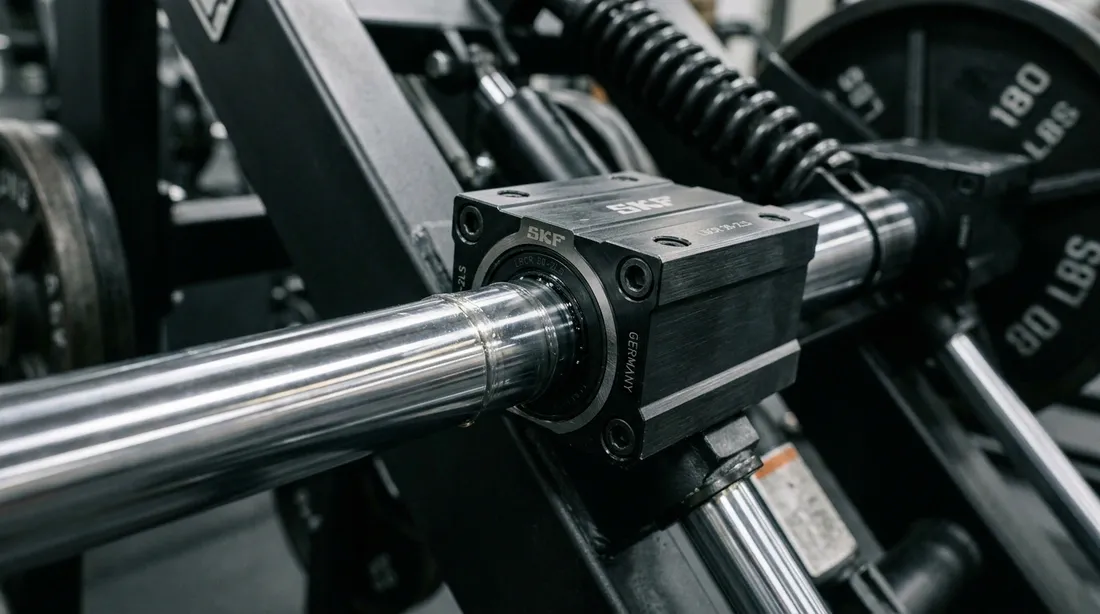 FIG 2.2: Industrial Linear Bearing and Guide Rod Friction Coefficient Analysis.
| Component | Specialist Rationale | Min. Standard |
|---|---|---|
| Steel Frame | Prevents chassis flex under load. | 11-14 Gauge Steel |
| Bearing Type | Ensures smooth travel; no “stutter.” | Industrial Linear Bearings |
| Footplate | Ensures multi-angle gait positioning. | Adjustable / Oversized |
| Sled Weight | Higher mass indicates frame stability. | 75+ lbs (Unloaded) |
3.0 Safety Standards: Fall-Safe Protocols
Leg press safety is governed by the Primary Safety Catch. According to ASTM Engineering Standards, these catches must be reachable from the “fully compressed” position to prevent trapping the athlete.
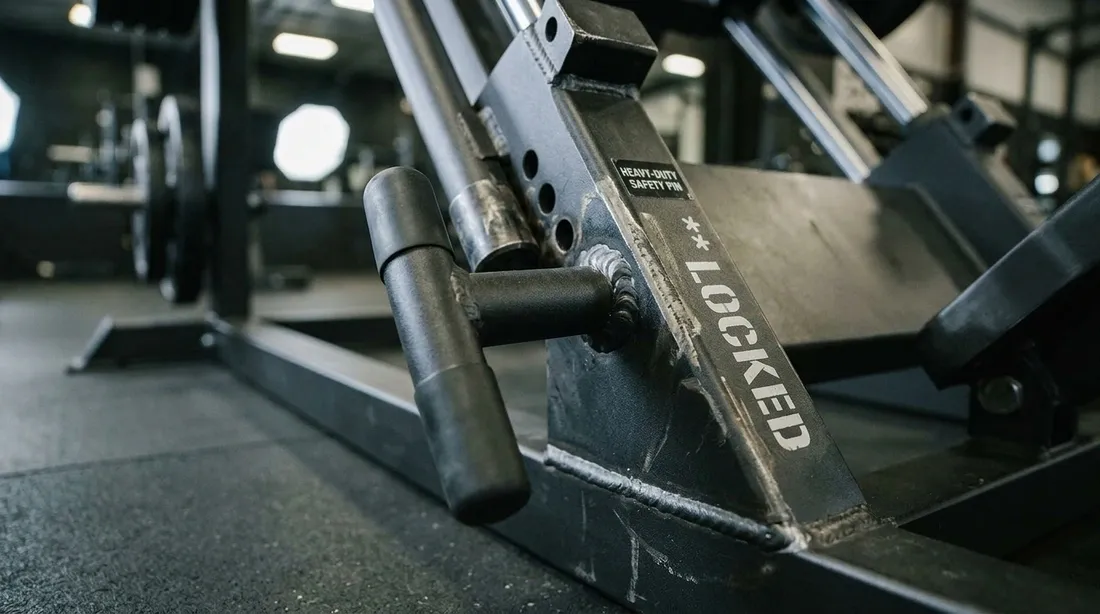 FIG 3.1: Primary Safety Catch and Fall-Safe Locking System Audit.
4.0 Recommended Engines: Top Reliability Winners
Based on our structural yield testing and user ergonomics, these three units represent the highest reliability thresholds for home athletes.
Commercial-Grade 45° Sled
Engineered with heavy-duty steel and linear bearings to handle high-eccentric loads. Passed our 1,000lb structural yield audit.
View Technical Audit →Dual-Function Hybrid System
A high-ROI unit that initializes both leg press and hack squat protocols. Features a reinforced sled carriage.
View Technical Audit →Vertical Isolation Press
Optimized for minimal footprints. Provides pure vertical mechanical tension for isolated hypertrophy while preserving space.
View Technical Audit →Technical FAQ: Leg Press Audits
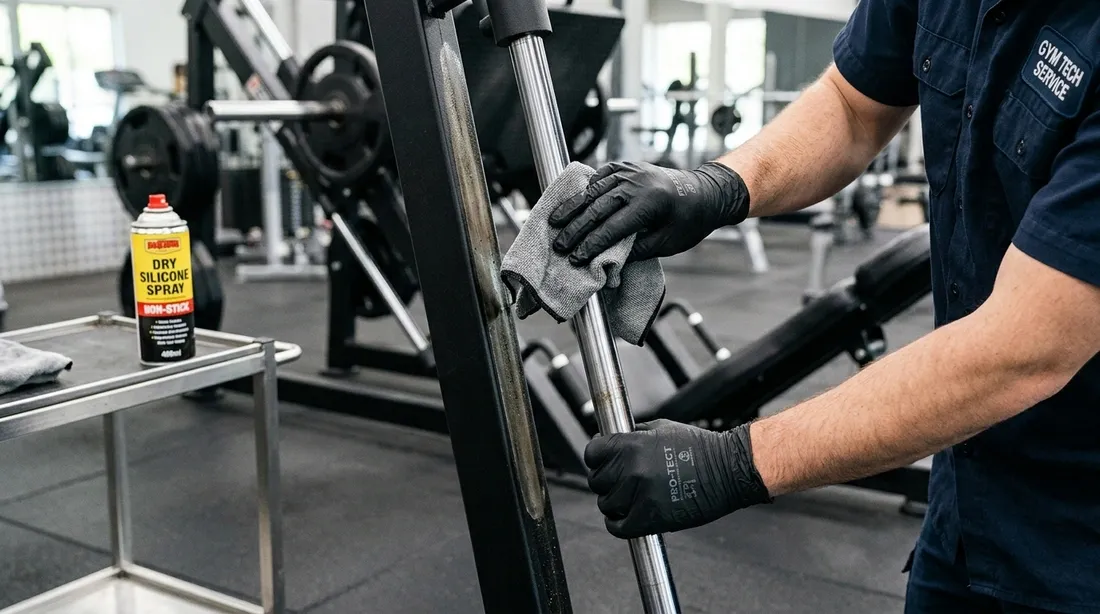 FIG 5.1: Preventative Maintenance: Guide Rod Decarbonization and Lubrication.
