
When you hear the phrase “Low-Impact Exercise,” what comes to mind?
Do you picture a water aerobics class moving in slow motion?
Or perhaps a gentle physical therapy session for someone recovering from surgery?

While those are low-impact activities, the term encompasses so much more.
A cyclist climbing a mountain at 20mph is doing low-impact exercise.
A rower generating 500 watts of power is doing low-impact exercise.
There is a major misconception in the fitness world that Low Impact = Low Intensity.
This couldn’t be further from the truth. In fact, many elite athletes use low-impact training to increase their endurance volume without destroying their shins and knees.
In this comprehensive guide, we will define exactly what low impact means, bust the common myths, and explain the science of Ground Reaction Force so you can decide if it is the right approach for your home fitness journey.
? Chapter Overview
- The Mechanics: It’s not about “easy” vs “hard”; it’s about “flight” vs “grounded.”
- The Force: Running sends 3x bodyweight force through your knees. Low impact removes this spike.
- The Benefit: “Closed Kinetic Chain” exercises improve stability and reduce ankle rolls.
- Who It’s For: Everyone from seniors to elite athletes doing recovery days.
Disclaimer: This guide is for educational purposes only and does not constitute medical advice. Consult a physician before starting a new exercise program.
The Technical Definition
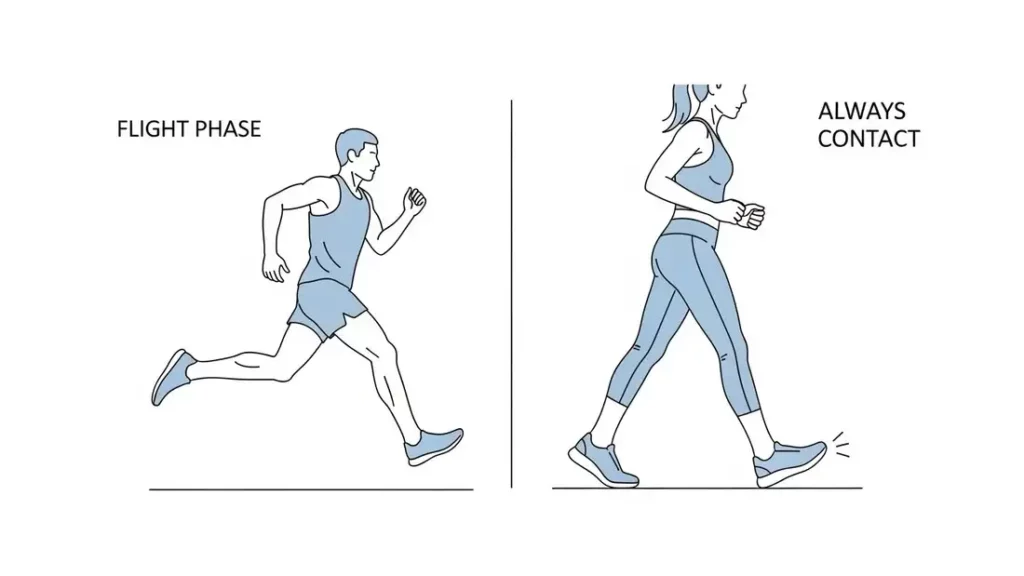
To understand low impact, we must look at biomechanics.
It isn’t a “feeling”; it is a mechanical state.
What is the Definition of Low-Impact Exercise?
Low-impact exercise is defined as any physical activity where at least one foot remains in contact with the ground at all times. This drastically reduces the vertical “ground reaction force” absorbed by the body. In contrast, high-impact exercises (like running) involve a “flight phase” where both feet leave the ground, causing a forceful landing.
The Science – Ground Reaction Force (GRF)

Why does that “flight phase” matter?
When you run, you are essentially performing a series of controlled hops.
Every time you land, your body absorbs shock.
According to research from the Nebula Physio and Wellbeing Ltd, the impact force during running can be 2.5 to 3 times your body weight.
- The Math: If you weigh 200 lbs, your knees, ankles, and hips absorb 600 lbs of force with every single step. Over a 3-mile run, that is thousands of tons of cumulative force.
Low-impact exercise removes this vertical spike in force.
This preserves the articular cartilage in your knees and hips, which—unlike muscle—does not regenerate easily once worn down.
High vs. Low vs. No Impact – The Comparison
It helps to categorize exercises into three tiers.
| Category | Definition | Examples |
|---|---|---|
| High Impact | Both feet leave ground (Flight Phase). | Running, Burpees, Jumping Jacks, Box Jumps. |
| Low Impact | One foot always touches ground. | Walking, Lunges, Step Aerobics, Elliptical. |
| No Impact | Body weight is supported (Seated/Water). | Cycling, Rowing, Swimming. |
Myth Busting – Is It Enough?
The biggest psychological barrier for beginners is the feeling that low impact isn’t “real” work.
? Myth: “Low Impact Burns Fewer Calories.”
Fact: Calorie burn is determined by Heart Rate and Duration, not by how hard you hit the floor.
Example: A 30-minute high-resistance session on an elliptical can burn more calories than a 30-minute slow jog, simply because you are engaging more muscles (arms + legs) against higher resistance.
Who Should Prioritize Low Impact?
While everyone can benefit, three specific groups should make this their primary training style:
1. The “High Volume” Trainee
If you want to exercise every single day to manage stress or mental health, High Impact is risky.
Your bones need 48 hours to recover from running.
Low Impact allows you to train Monday through Sunday without shin splints.
2. The Apartment Dweller

If you live on the second floor, doing “Insanity” style jumping workouts will make enemies of your neighbors.
Low-impact bodyweight moves (like lunges and planks) are silent.
3. The Beginner with Extra Weight
If you are overweight, the 3x bodyweight impact force of running is amplified.
It is smarter to start with low impact to build your cardiovascular engine and muscle strength first.
Once you are lighter and stronger, you can introduce running safely.
The “Closed Kinetic Chain” Advantage
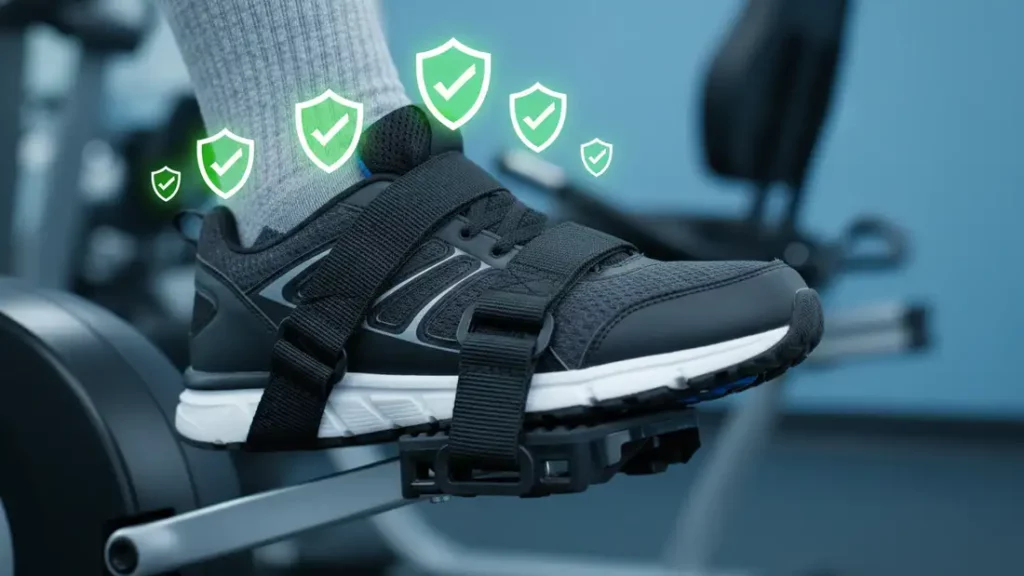
One final scientific benefit is stability.
Many low-impact exercises (like cycling, squatting, or pushups) are Closed Kinetic Chain (CKC) exercises.
This means your hand or foot is fixed to a solid surface and cannot move.
- The Benefit: This recruits more stabilizing muscles and improves proprioception (your body’s sense of position), drastically reducing the risk of twisting an ankle compared to open-chain sports like soccer or running.
Frequently Asked Questions
Q: Can I really lose weight with low-impact exercise?
Yes. Weight loss is determined by heart rate intensity and a calorie deficit, not by how hard you hit the ground. A 30-minute high-resistance session on an elliptical can burn more calories than a slow jog, with zero joint pain.
Q: Who should prioritize low-impact training?
It is ideal for four groups: People with arthritis or joint pain, individuals recovering from injury, those who are overweight (to reduce load on knees), and apartment dwellers who need quiet workouts.
Q: Is walking considered low-impact?
Yes. Walking is the most common form of low-impact exercise because one foot always remains in contact with the ground. To turn it into a fat-burning workout, we recommend adding an incline or a weighted vest.
Conclusion
Low-impact exercise is not a downgrade; it is a strategic choice for longevity.
It allows you to build a powerful heart and strong muscles without wearing down the cartilage that needs to last you a lifetime.
Now that you understand the mechanics, the next question is: What tools do you need?
While you can do it with just your body weight, certain machines are built specifically to protect your knees.
Ready to choose your equipment?
Read Chapter 2: Best Machines for Bad Knees →
About IndraP
IndraP is the founder of Reliable Home Fitness and a Technical Equipment Specialist. Collaborating with industry leaders like FoliageField.com, he specializes in identifying top-tier training equipment.
With unique expertise in board-level repairs and upgrades, Indra looks beyond the marketing hype to test the internal mechanics of the machines he reviews. His mission is to help you invest in gear that is safe, durable, and reliable.