
Disclosure: As an Amazon Associate, I earn from qualifying purchases. This technical audit contains affiliate links which support our research at no cost to you.
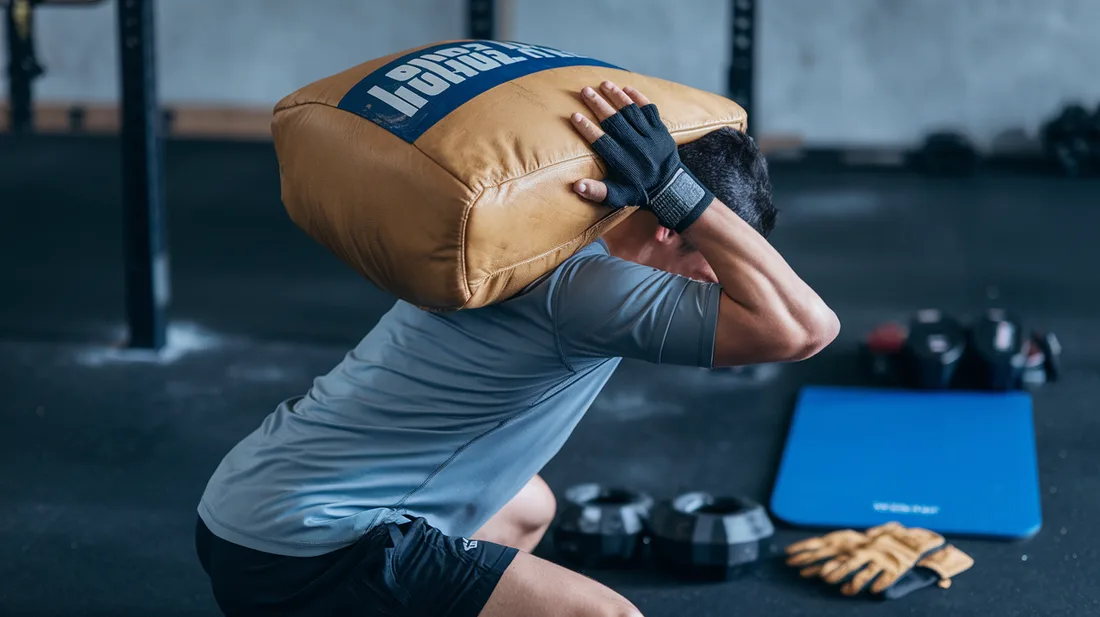
Abstract: Traditional resistance training utilizes static implements with a fixed center of mass.
Sandbag ballistics introduce “Dynamic Load Instability,” forcing the athlete to stabilize a shifting center of gravity during exertion.
This audit analyzes the mechanical advantage of translational strength and the structural requirements for home-based training.
1.0 The Physics of Shifting Mass
Unlike steel, sand is fluid under load. Every repetition creates a unique mechanical demand on the primary movers.
This “Functional Friction” increases motor unit recruitment in the core and grip, ensuring total-body kinetic activation.
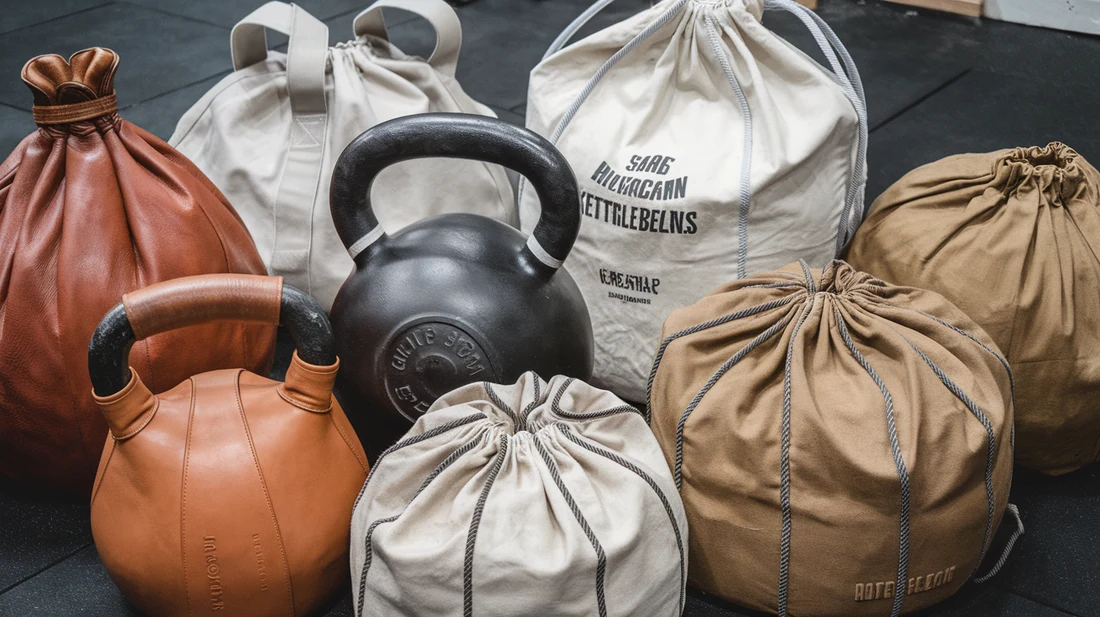
2.0 Operational Movement Protocols
2.1 Core and Posterior Chain Stability

The Bear Hug Squat and Farmers Carry test the structural integrity of the kinetic chain under sustained isometric tension.

3.0 Equipment Procurement Analysis
Recommended Equipment Review
Our team has benchmarked the top-performing sandbags for material durability and filler integrity.
View Our Top 5 Sandbag Reviews| Training Phase | Mechanical Focus | Prescribed Movement |
|---|---|---|
| Phase I: Foundation | Isometric Bracing | Bear Hug Holds / Rows |
| Phase II: Power | Force Development | Clean and Press |
- PMC9690442: Effects of Sandbag Training on Core Stability
- PubMed: Dynamic vs Static Resistance Analysis
Internal Engineering Resources:
