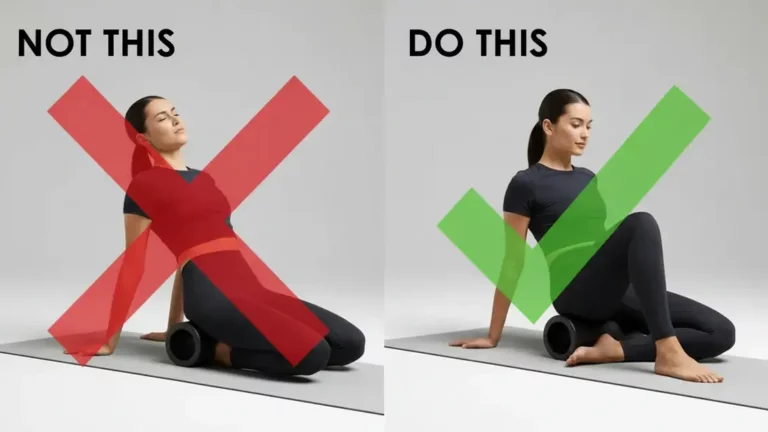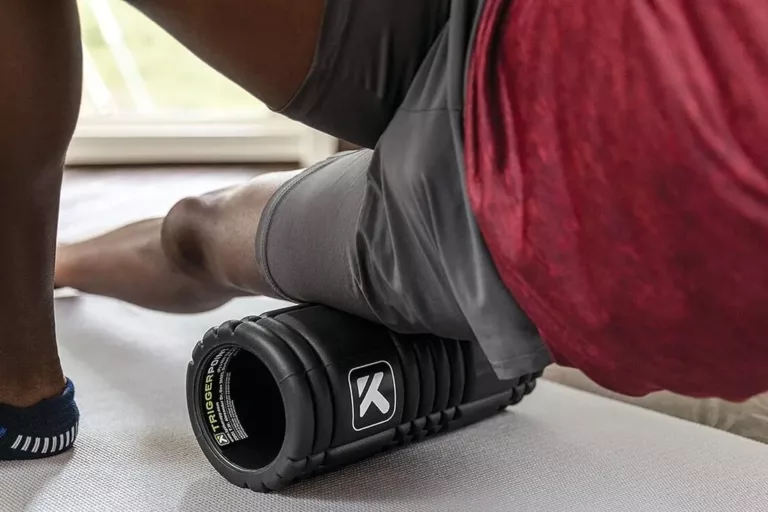
Recovery & Pain Management Protocol
Expert-verified guidance on percussion therapy, myofascial release, and electronic recovery tools for long-term joint health.
Beyond Temporary Pain Relief
Effective recovery is a technical process. As a specialist, I evaluate tools based on amplitude depth, stall force, and material density. My objective is to help you select recovery gear that effectively manages pain and accelerates healing without risking further injury to sensitive nerves and tissues.
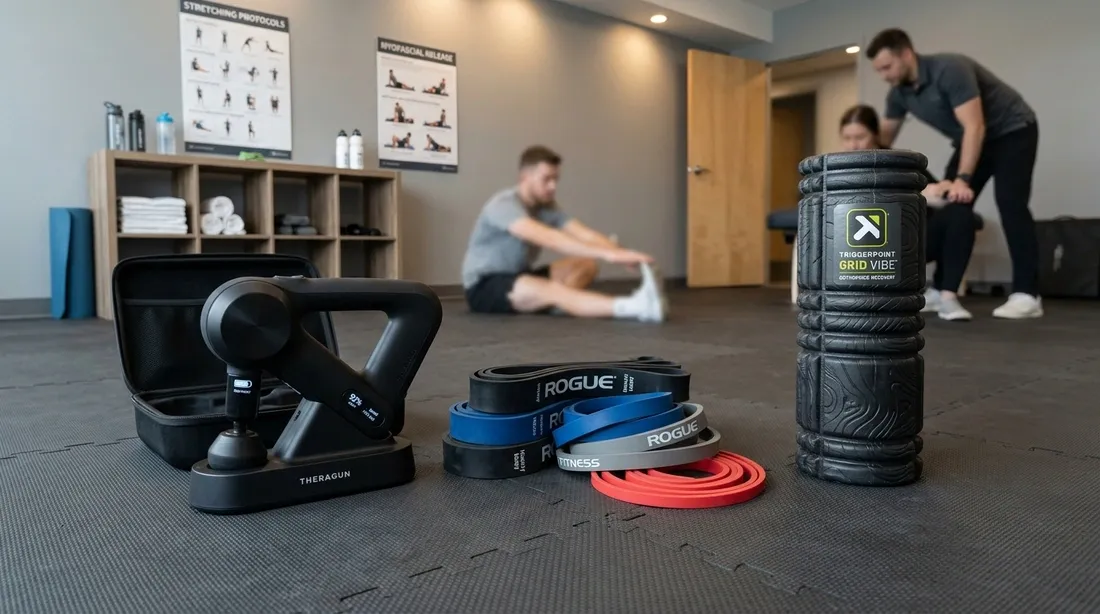
Recovery Tool Technical Checklist
Verify these mechanical and electrical specs to ensure safe therapeutic application.
Stall Force & Depth
For massage guns, verify the ‘Amplitude’ (in mm). Deep tissue requires 12mm+, while sensitive areas need lower settings.
Anti-Microbial Surfaces
Ensure foam rollers and gun-heads are non-porous. Open-cell foam traps sweat and bacteria, leading to skin irritation.
Thermal Protection
For heat-based recovery tools, verify the auto-shutoff thresholds to prevent low-temperature burns on sensitive skin.
Essential Recovery Pillars
Foundational guides for safe, long-term pain management at home.
Which Tool Fits Your Recovery Needs?
Technical selection based on pain location, depth needs, and portability.
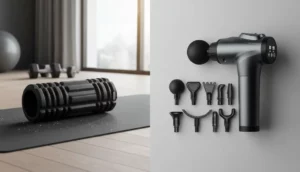
Massage Guns
Percussive TherapyBest for deep muscle knots and breaking up scar tissue.
View Technical Reviews →Foam Rollers
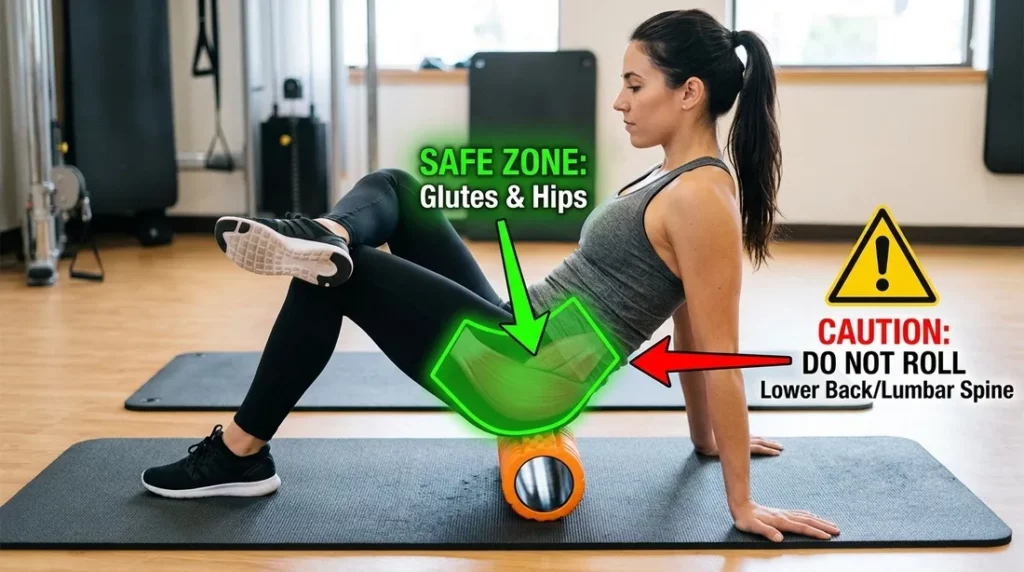
Myofascial ReleaseBest for sciatica relief and improving overall flexibility.
View Technical Reviews →EMS Units
Electronic PulseBest for muscle re-education and chronic pain blocking.
View Technical Reviews →
About IndraP
IndraP is a Technical Equipment Specialist focusing on internal mechanics and industrial safety. He identifies gear that is safe, durable, and reliable.
Latest Posts
- The Best Foam Rollers for Sciatica Pain Relief (and How to Use Them Safely)
- Foam Rolling for Runners – 6 Moves for Knees, Hips & Calves

- How to Foam Roll for Lower Back Pain (The Safe Way)

- Foam Roller vs. Massage Gun – Which Recovery Tools are Actually Worth Your Money?
- Our Top 7 Exercise Bikes for Beginners – Ride with Confidence!

Recovery Device Roadmap
Ensuring your therapeutic tools remain safe and electronically sound.
Wipe massage heads with non-alcohol sanitizer to prevent skin-oil corrosion of materials.
Deep-clean rollers. Inspect for “surface pitting” or micro-tears that can trap bacteria.
Battery maintenance. Discharge and recharge guns fully to prevent lithium-cell memory issues.
Verify motor noise. Grinding or excessive heat signals internal electronic or mechanical fatigue.
Latest Expert Insights
The newest reviews, technical comparisons, and research-backed training methods.