
Your lungs are the primary motor of the human engine. Without technical respiratory control, your muscular hardware cannot sustain peak mechanical output.
 FIG 1.1: Respiratory Initialization: Optimizing Gas Exchange for High-Intensity Training.
In fitness engineering, VO2 max and CO2 tolerance are the metrics that define success. Specifically, athletes must audit their breathing patterns to prevent early metabolic fatigue. You might ask: “Should I use nasal or mouth breathing?”, “How do I engage my diaphragm under load?”, or “Can hardware improve my lung capacity?”
You have landed in the Technical Masterclass Hub. This laboratory provides board-level insights into Respiratory Engineering. We move beyond basic advice to provide scientific protocols for serious home athletes.
Metabolic Power
How oxygen powers the muscular chassis.
Jump to Audit ↓Diaphragmatic Tech
Mastering the primary respiratory pump.
Jump to Audit ↓Paced Protocols
Box breathing and rhythmic sequences.
Jump to Audit ↓Hardware Audit
Training devices and biometric tracking.
Jump to Audit ↓1.0 The Biological Rationale: Oxygen Transport Physics
Your muscles require Adenosine Triphosphate (ATP) to fire. Oxygen is the critical catalyst in this chemical reaction. Efficient breathing ensures that your blood maintains the correct pH level to delay the onset of lactic acid buildup.
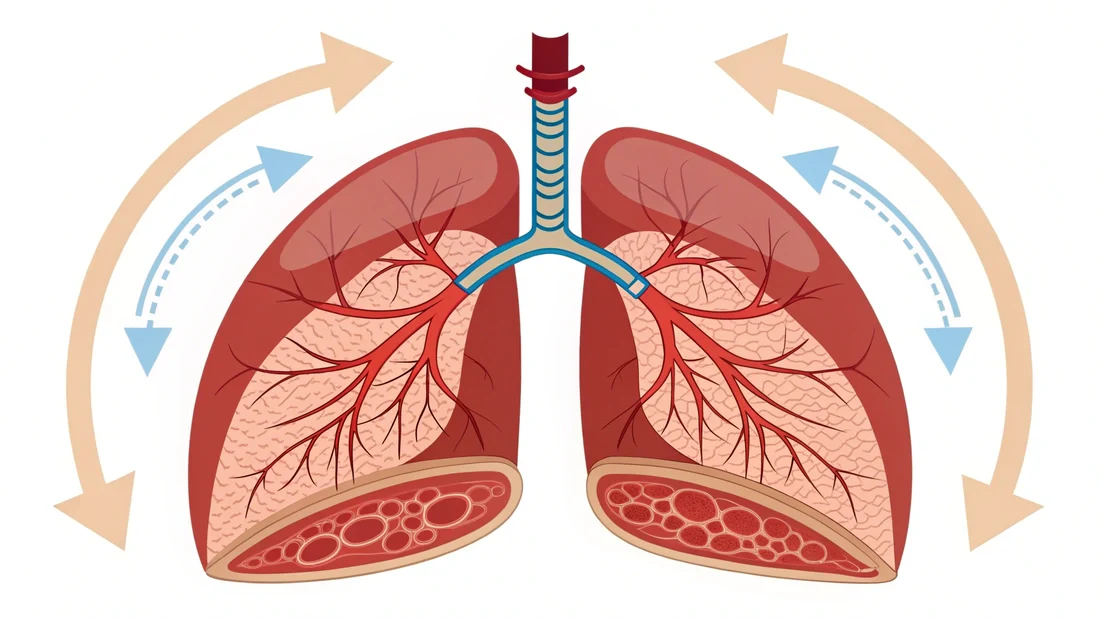 FIG 2.1: Gas Exchange Audit: Oxygenating the muscular chassis under load.
According to the National Institutes of Health (NIH), respiratory muscle training can significantly increase endurance capacity by reducing the “metaboreflex” in the legs.
2.0 Diaphragmatic Engineering: Mastering the Pump
Most beginners are “chest breathers.” This is a technical failure. It triggers the sympathetic nervous system and increases heart rate unnecessarily. Diaphragmatic breathing utilizes the lower lobes of the lungs where gas exchange is most efficient.
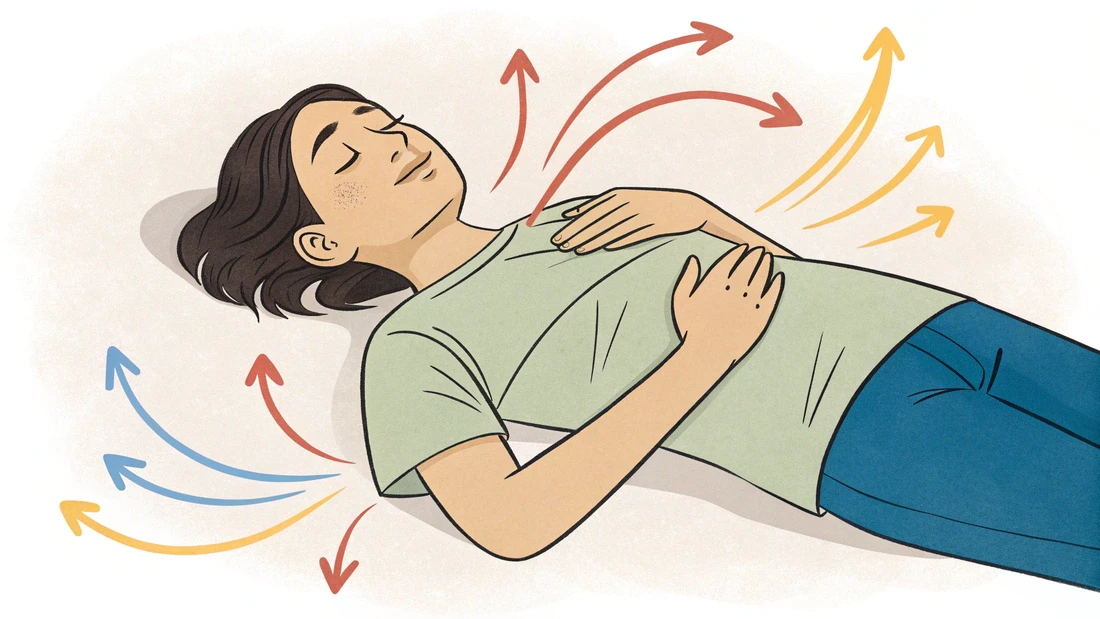 FIG 2.2: Biomechanical Alignment: Maximizing lung volume via rib cage expansion.
Follow the clinical guidelines established by the American Lung Association to initialize your deep-breathing protocol. Mastering this “belly breath” is the first step in Autonomic System Control.
3.0 Performance Protocols: Paced & Box Breathing
Technical breathing requires rhythm. Paced breathing synchronizes your inhalations with your stride or stroke. This creates a biomechanical harmony that reduces the perceived effort of the workout.
 FIG 3.1: Rhythmic Synchronization: Matching respiratory cycles to mechanical gait.
For recovery and focus, Box Breathing is the gold standard. It involves a 4-part cycle: Inhale, Hold, Exhale, Hold. This technique is utilized by elite tactical teams to maintain cognitive reliability under extreme physical stress.
 FIG 3.2: Autonomic Calibration: The 4-phase Box Breathing sequence.
Respiratory Hardware: Top Audited Tools
Based on our technical audits for resistance precision and data accuracy, these are our top-rated recommendations for home athletes.
Powerbreathe Kinetic Trainer
Top-rated hardware for Inspiratory Muscle Training (IMT). High-precision load adjustment for lung conditioning.
View Technical Audit →Garmin Forerunner Series
Advanced wearable tech for Respiration Rate tracking and VO2 Max auditing during mechanical loads.
View Technical Audit →The Respiratory Engineering Hub: Technical Guides
Select a module below to master every technical aspect of your respiratory engine:
