Scroll through social media, and you’ll see people doing one-arm handstands, pistol squats on kettlebells, and backflips.
It looks cool, but for a beginner, it is intimidating—and unnecessary.
To build a strong, capable physique at home, you don’t need 100 complicated moves.
You need to master The Big 5.
These five “Compound Movements” hit every major muscle group in your body.
The “Big 5” Checklist
- Squat: The king of leg exercises (Quads & Glutes).
- Push-Up: The ultimate upper body builder (Chest & Triceps).
- Reverse Lunge: Essential for balance and knee health.
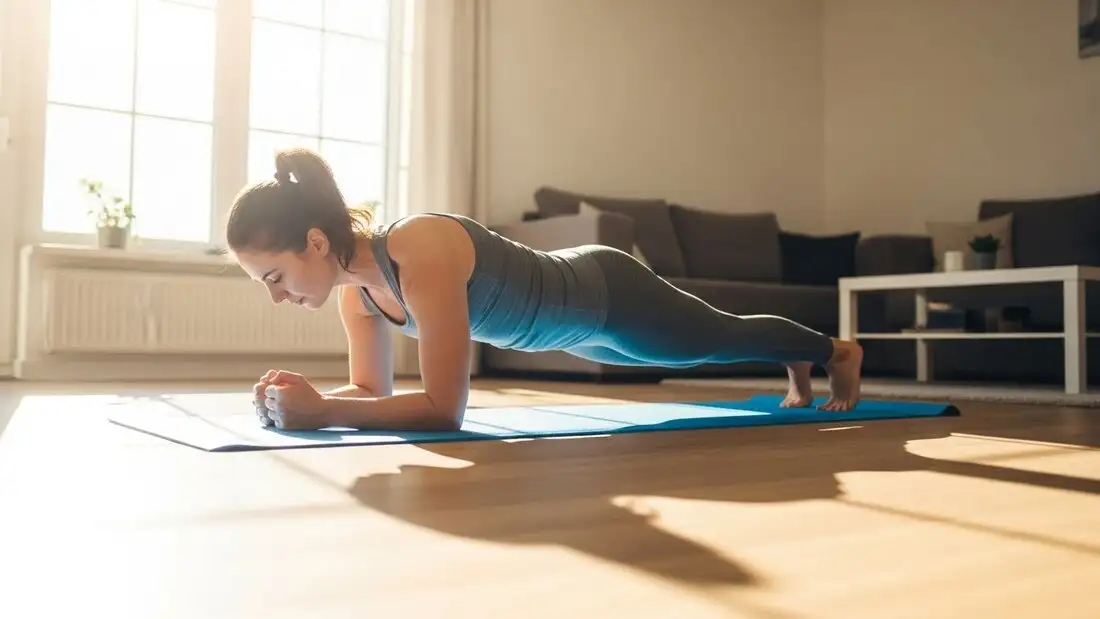
- Plank: Builds a shield for your lower back (Core).
- Glute Bridge: The antidote to sitting all day (Posterior Chain).
As emphasized in our [Ultimate Guide to Bodyweight Workouts at Home], the secret isn’t doing more exercises; it’s doing the essential ones with perfect form.
Here is your step-by-step guide to mastering the basics.
1. The Bodyweight Squat (Legs & Glutes)
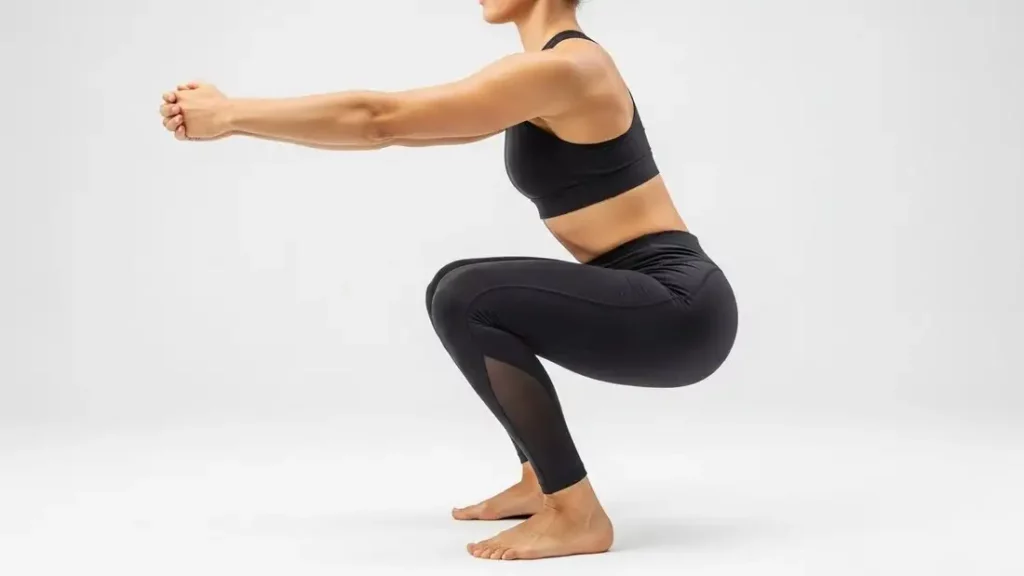
Why do it: It engages the largest muscles in your body, burning the most calories and building real-world strength.
How to do it:
- Stand with feet shoulder-width apart, toes turned slightly out.
- The Cue: Pretend you are sitting back into an invisible chair. Do not just bend your knees; hinge your hips back.
- Lower until your thighs are parallel to the floor.
- Drive through your heels to stand up, squeezing your glutes at the top.
Troubleshooting:
- Knees caving in? This is dangerous for your ligaments. Place a Resistance Loop Band around your thighs, just above the knees. Pushing against the band forces your glutes to fire and keeps your knees safe.
- Can’t get low? Your hips might be tight. Read Unlock Deeper, Safer Squats – The Essential Role Of Hip Flexor Mobility.
2. The Push-Up (Chest, Shoulders, Triceps)
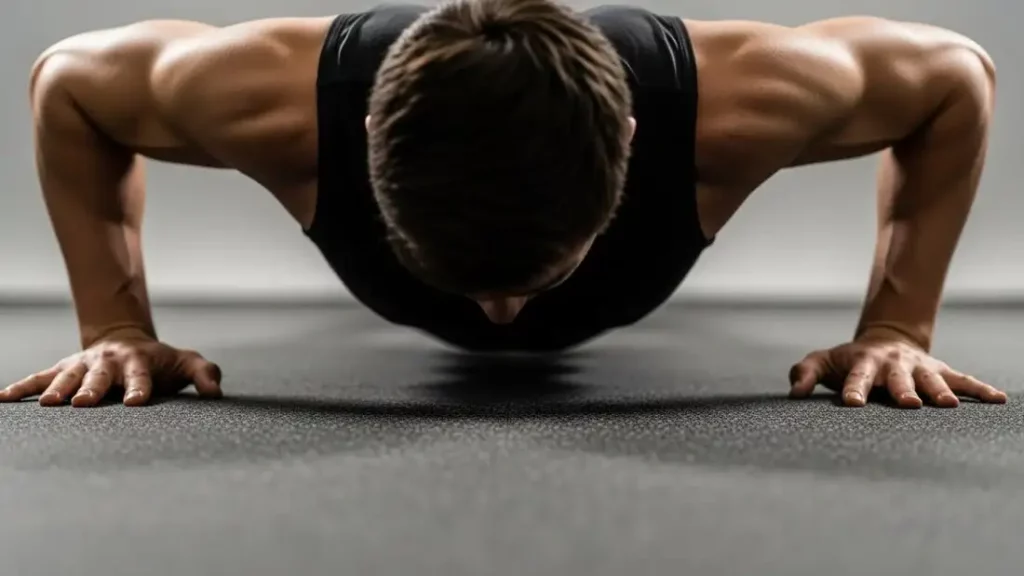
Why do it: It builds the entire “pushing” chain of muscles and stabilizes the core.
How to do it:
- Start in a high plank position, hands directly under shoulders.
- The Cue: “Screw your hands into the floor.” Imagine trying to twist jar lids open with your palms. This locks your shoulders into a safe position.
- Lower your chest to the floor. Keep your elbows at a 45-degree angle (like an arrow), not flared out to the sides (like a ‘T’).
- Push back up.
Troubleshooting:
- Wrist Pain? This is common for beginners. Using Push-Up Bars/Parallettes allows you to keep your wrists straight, instantly removing the pain so you can focus on your chest.
- Too Hard? Do not do them on your knees (it breaks the core tension). Instead, do Incline Push-Ups with your hands on a sturdy couch or kitchen counter.
3. The Reverse Lunge (Legs & Balance)
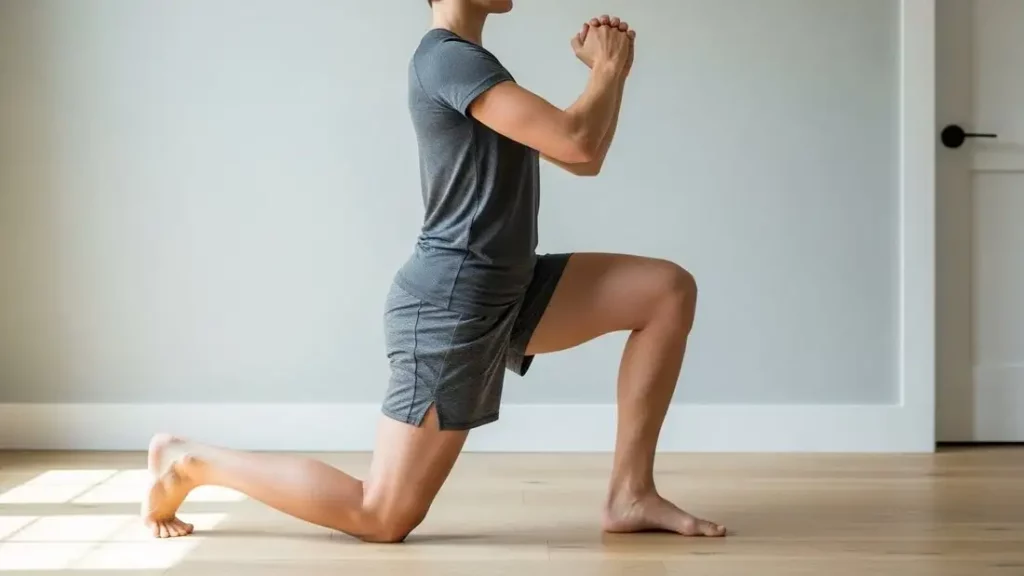
Why do it: Unlike the squat, the lunge trains one leg at a time (unilateral training).
We prefer the Reverse Lunge over the Forward Lunge because it puts significantly less stress on the knee joint.
How to do it:
- Stand tall.
- Take a long step backward.
- Lower your back knee straight down until it almost touches the floor.
- The Cue: “Elevator, not Escalator.” Go straight down and up, not forward and back.
- Push through the front heel to return to standing.
Troubleshooting:
- Knee Pain? Make sure you are on a soft surface. A Thick Exercise Mat is mandatory here to protect your kneecap if it gently taps the floor.
4. The Plank (Core Stability)

Why do it: Sit-ups can hurt your spine.
The plank teaches your core to do its main job: resisting gravity and protecting your lower back.
How to do it:
- Get on your elbows and toes.
- The Cue: “Pull your belly button to your spine.”
- Squeeze your glutes hard. If your glutes are loose, your lower back will sag and hurt.
- Hold for 20–40 seconds. Shaking is good!
“Ready to upgrade? Once you can hold a plank for 60 seconds, it’s time to move on to dynamic core exercises. Check out The Best Bodyweight Ab Exercises (That Save Your Back).”
5. The Glute Bridge (Posterior Chain)
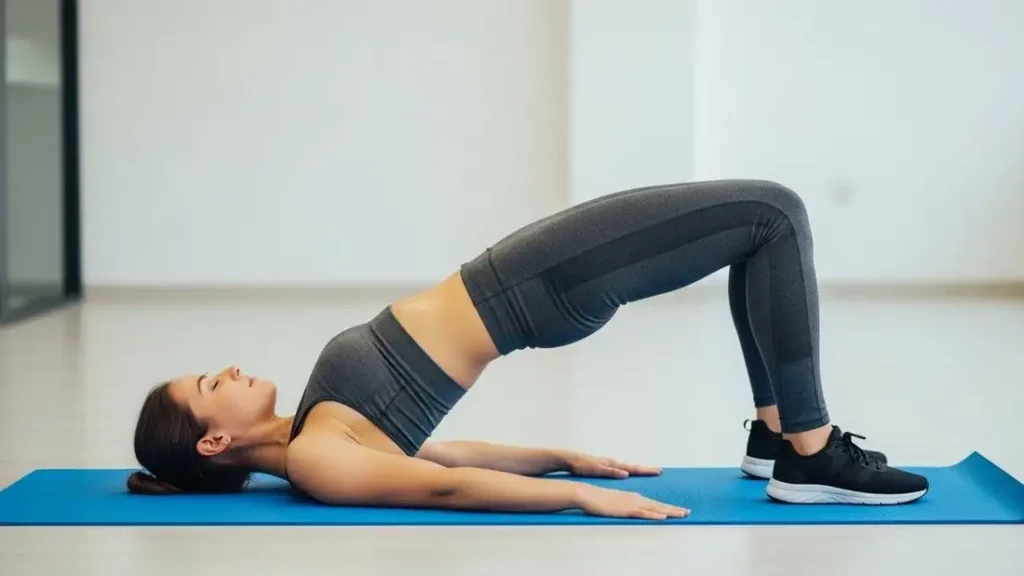
Why do it: Most of us sit all day, which causes “Glute Amnesia” (weak butt muscles) and tight hamstrings.
This exercise reverses that posture.
How to do it:
- Lie on your back, knees bent, feet flat on the floor.
- The Cue: “Drive your heels into the ground.”
- Lift your hips until your body forms a straight line from shoulders to knees.
- Squeeze your glutes at the top for 2 full seconds.
- Lower slowly.
Troubleshooting:
- Feeling it in your lower back? You are arching too much. Only lift as high as your glutes can take you.
Breathing – The Missing Link
If you hold your breath during these exercises, your blood pressure spikes and you fatigue faster.
- Rule of Thumb: Exhale on the hard part (pushing up), Inhale on the easy part (going down).
- Learn More: Breathing For Bodyweight Exercises – Powering Through Your Workouts.
Frequently Asked Questions
- How low should I go in a squat?
Aim for your thighs to be parallel to the floor. If you can go lower without your back rounding (the “butt wink”), that is great, but parallel is sufficient for muscle growth. - How long should I hold a plank?
For beginners, 20–30 seconds is a great target. Once you can hold it for 60 seconds with perfect form, it is better to switch to a harder variation (like a side plank) rather than just holding it longer. - Why do I feel lunges in my knees instead of my legs?
This often happens if your step is too short. Take a larger step back so your front shin remains vertical. If your knee travels too far forward over your toes, it can increase pressure.
Conclusion – From Movements to a Routine
Now that you know the ingredients, it’s time to follow the recipe.
Knowing how to squat is great, but knowing how many to do and when to rest is how you get results. Let’s put these 5 moves into a structured plan in our next guide.
? [The “No-Time” 20-Minute Bodyweight Circuit for Busy Parents]
(Disclaimer: This content is for informational purposes only. Consult a physician before starting any new exercise program.)