We all know exercise is “good for us.” And we all know that skipping the gym membership saves money.
But why choose bodyweight training specifically?
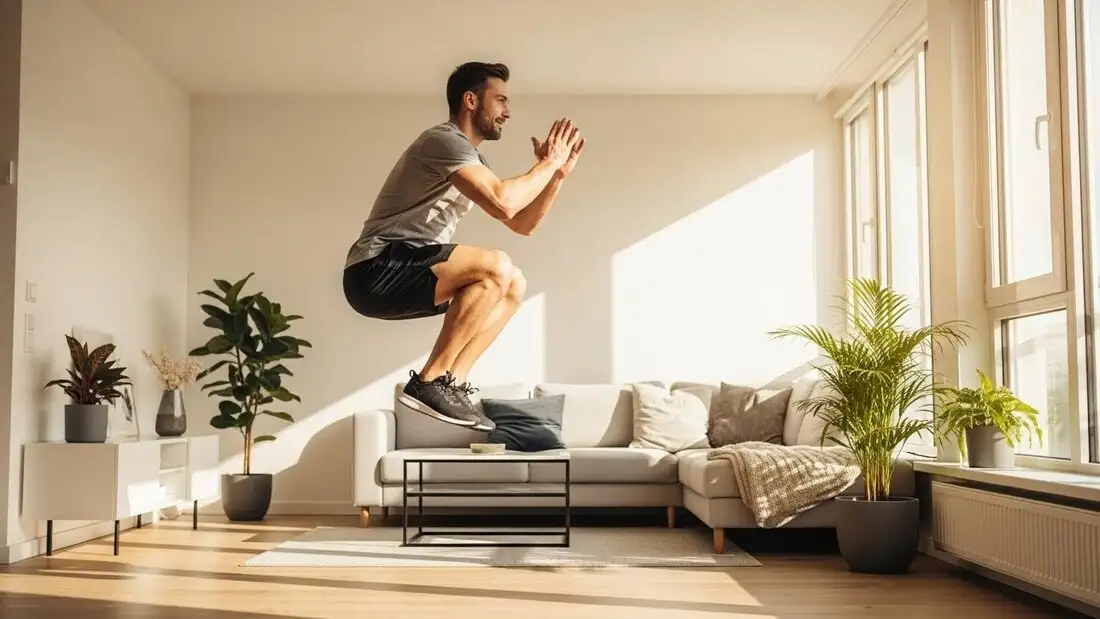
Why choose push-ups over a bench press, or squats over a leg press machine?
While we cover the “how-to” in our Ultimate Guide to Bodyweight Workouts at Home, the “why” goes much deeper than just convenience.
Bodyweight training (or calisthenics) does something machines cannot: it teaches your body to work as a single, cohesive unit.
Why Bodyweight Wins
- Functional Strength: Trains movements, not just muscles.
- Injury Prevention: Strengthens tendons and ligaments naturally.
- Mobility: Improves flexibility while you build strength.
- Truth Teller: Instantly reveals left-to-right muscle imbalances.
Here are 7 surprising benefits of bodyweight exercises that will convince you to drop the heavy iron and embrace gravity.
1. Functional Strength (Real World Power)
Gym machines are designed to isolate muscles.
The leg extension machine hits your quads, but it supports your back for you.
Real life doesn’t work that way.
When you lift a heavy box, carry your kids, or get up from the floor, you never isolate a muscle.
You use your legs, core, back, and arms simultaneously.
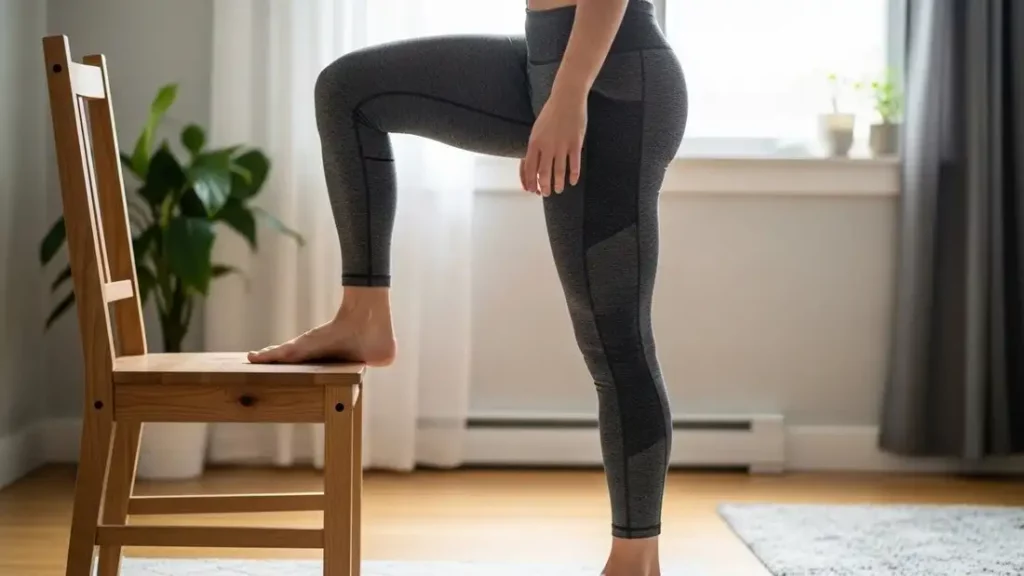
Bodyweight exercises are Closed Kinetic Chain movements—meaning your hands or feet are fixed to an object (the floor or a bar), and your body moves around them.
This mimics how you interact with the world, building strength that is actually useful outside of your workouts.
2. Injury Prevention (Tendons & Ligaments)
One of the biggest risks for beginners hitting the gym is that their muscles grow faster than their tendons.
You might have the muscle strength to bench press 100 lbs, but your shoulder joints aren’t ready for the load.
Bodyweight training is self-limiting in the best way possible.
Because you are moving your own mass through a natural range of motion, you strengthen your joints, tendons, and ligaments alongside your muscles.
This builds a bulletproof foundation.
Safety Note: Even with bodyweight, form is king. Always follow our Basic Home Workout Safety Rules – Your Non-Negotiable Guide.
3. Improved Proprioception (Body Awareness)
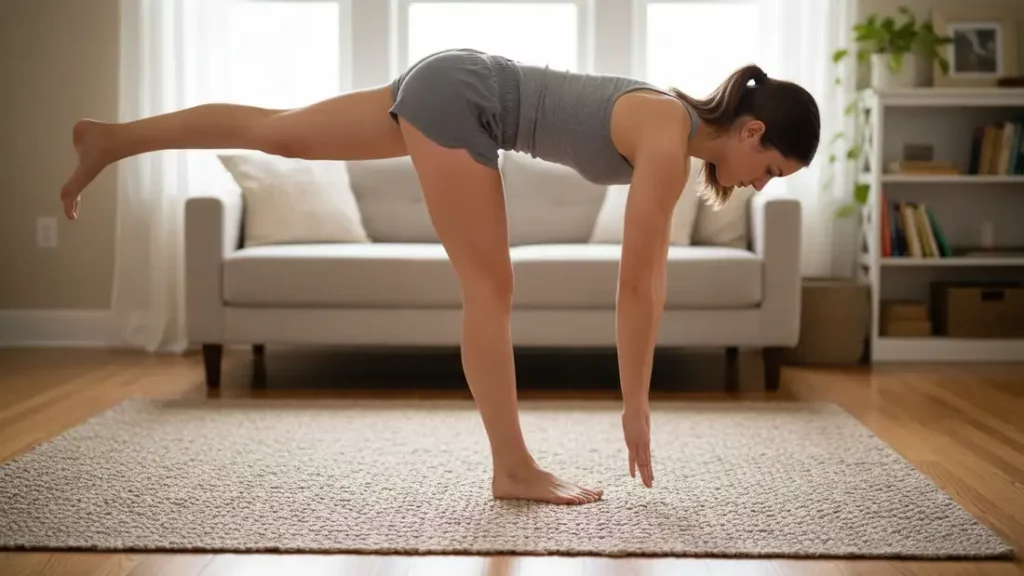
Proprioception is a fancy word for “knowing where your body is in space.”
It’s the skill that keeps you from tripping over a curb or helps you catch yourself if you slip.
Exercises like lunges, single-leg deadlifts, or even holding a plank force your brain to constantly adjust your balance.
This neurological connection is crucial for aging gracefully—something a seated machine simply cannot teach you.
4. It Reveals Imbalances Instantly
If you use a barbell, your strong arm can compensate for your weak arm without you noticing.
With bodyweight training, there is nowhere to hide.
- Try a single-leg glute bridge. Is the left side shaking while the right side is solid?
- Try a side plank. Is one side harder?
Identifying these imbalances early prevents injury later.
If you find one side is lagging, check out our guide on Why You Aren’t Seeing Results: Troubleshooting Common Bodyweight Training Mistakes to learn how to fix it.
5. Flexibility & Mobility in One
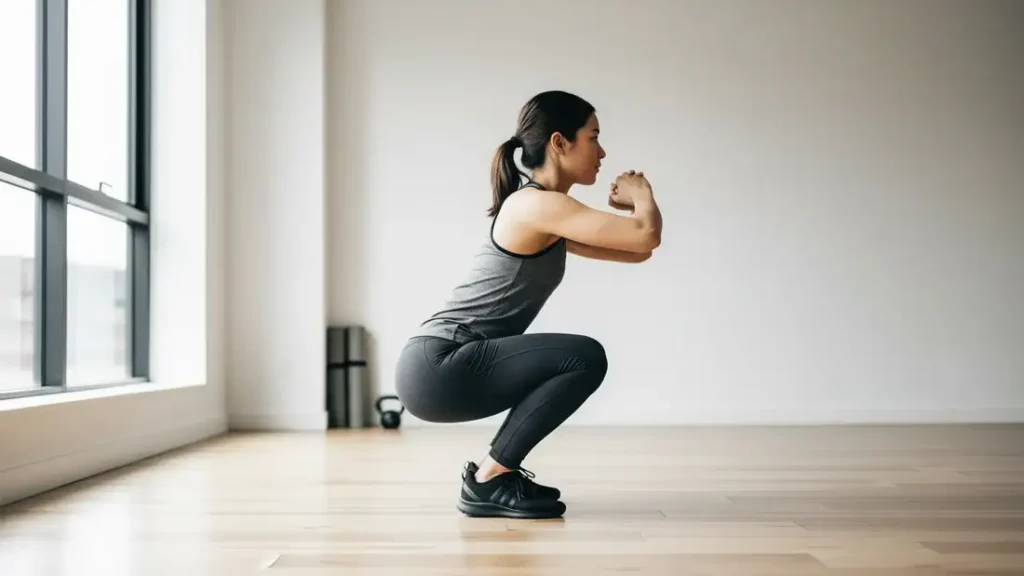
Many people think strength and flexibility are opposites.
In bodyweight training, they are partners.
To perform a perfect deep squat, you need flexible ankles and hips.
To do a proper lunge, you need open hip flexors.
By performing these full-range movements, you are stretching while you are strengthening.
Stiff Hips? If you struggle to get low in a squat, your hip flexors are likely the culprit. Read Unlock Deeper, Safer Squats – The Essential Role Of Hip Flexor Mobility.
6. Unbeatable Convenience (The Friction Killer)
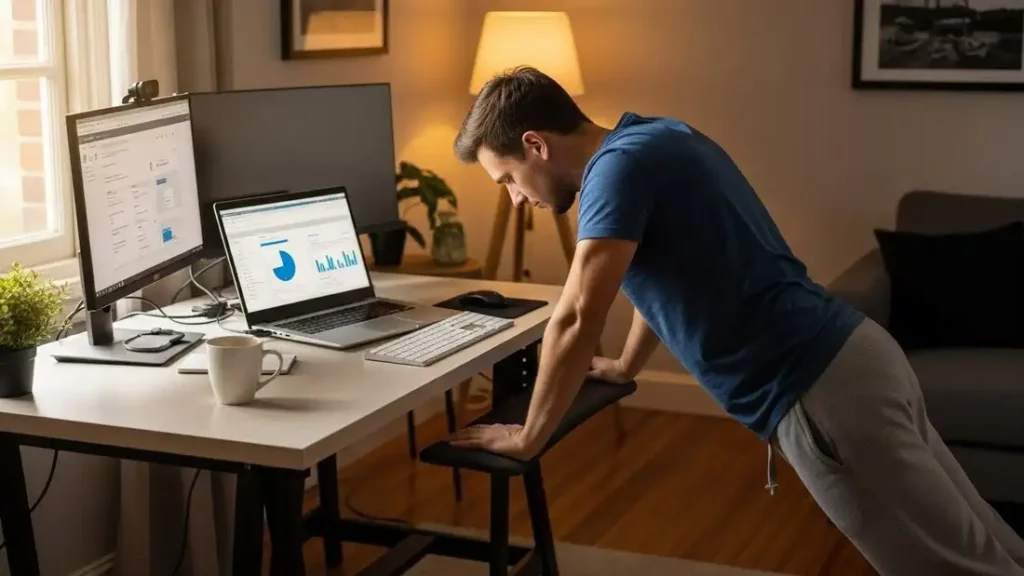
The number one reason people quit fitness is friction.
- “It’s raining.”
- “The gym is crowded.”
- “I forgot my headphones.”
With bodyweight training, the friction is zero.
You can work out in your pajamas.
You can work out for 10 minutes while waiting for a Zoom call.
This convenience is the secret weapon for consistency.
7. It’s Free (The Ultimate Budget Hack)
We broke this down in our Home Gym Budgeting Guide, but it bears repeating: Your body is the gym.
You don’t need a $2,000 rack. The only investment we highly recommend is for comfort. A high-quality, non-slip surface protects your spine and joints.
- Recommendation: A Thick Yoga/Exercise Mat is essential. It prevents “elbow burn” during planks and keeps sweat off your carpet.
Frequently Asked Questions
- Is bodyweight training better than the gym?
It depends on your goals. For functional fitness, convenience, and joint health, bodyweight is often better. For maximum bodybuilding size, weights are more efficient. For most beginners, bodyweight is the best starting point. - Will bodyweight exercises improve my posture?
Yes. Exercises like the Plank and Glute Bridge strengthen the core and posterior chain (back of the body), which directly counteracts the “slouching” posture caused by sitting at desks. - Can I do these exercises if I have bad knees?
Many bodyweight exercises (like Glute Bridges) are knee-friendly. However, deep lunges or jumps should be approached with caution. Always start with a limited range of motion and stop if you feel sharp pain.
Conclusion – A Body That Works
Bodyweight training builds a physique that doesn’t just look good in a mirror—it moves well in the real world.
It protects your joints, saves your wallet, and respects your time.
Ready to reap these benefits?
Now that you know why you should do it, let’s show you what to do.
Proceed to the next step of the guide to learn the only 5 moves you really need.
Master the Basics: 5 Essential Bodyweight Exercises for Full-Body Strength
(Disclaimer: This content is for informational purposes only. Consult a physician before starting any new exercise program.)