If the idea of a yoga class makes you nervous because you can barely touch your knees, let alone your toes—you are not alone.
Many people avoid Yoga because they think they need to be flexible before they start.
This is backward. You don’t get fit to go to the gym; you go to the gym to get fit.
The same applies here: You do yoga to get flexible.
Beyond just feeling loose, research from Johns Hopkins Medicine confirms that regular yoga practice improves balance, strength, and heart health, making it a critical tool for longevity.
For the low-impact athlete, incorporating Mobility Training is non-negotiable.
It is the difference between “getting through” a workout and actually moving well.
It unlocks tight hips, fixes rounded shoulders, and prevents the injuries that force you to stop training.
In this guide, we strip away the chanting and incense to focus on Functional Mobility—simple, effective moves to oil your rusty hinges.
? Mobility vs. Flexibility
- Flexibility is passive (how far can you stretch a muscle).
- Mobility is active (how well can you control a joint through movement). You need Mobility.
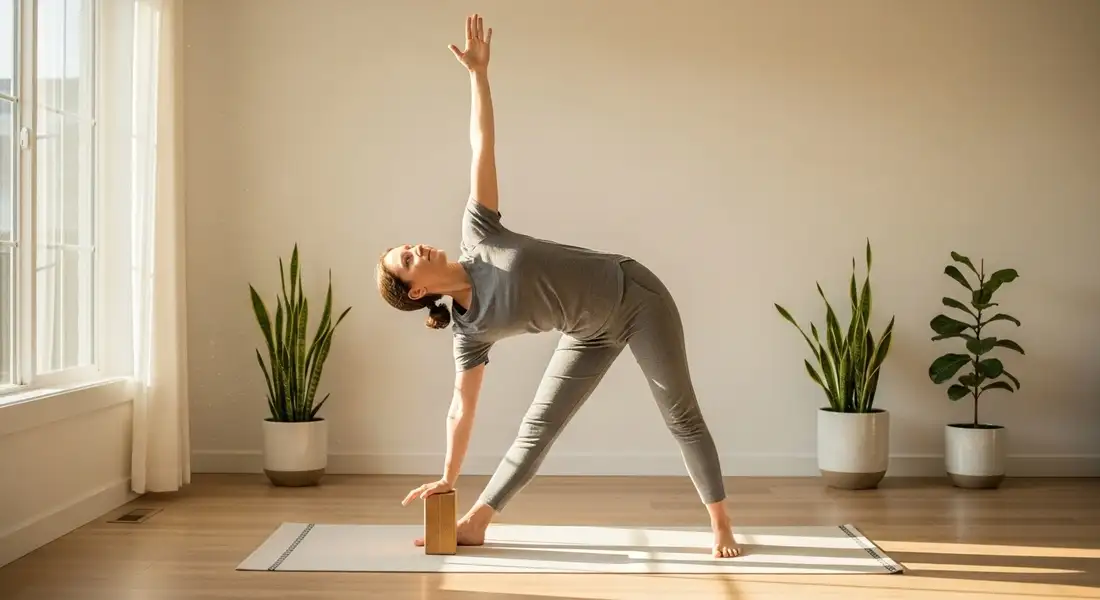
- Props are Power: Using yoga blocks isn’t “cheating”; it brings the floor closer to you so you don’t hurt your back.
- Low Impact Strength: Yoga is actually bodyweight strength training in disguise.
The “Stiff Person’s” Toolkit
If you have tight hamstrings or a stiff lower back, you need two cheap tools to make these poses safe.
Before you buy props, ensure you have a safe foundation.
Doing yoga on a slippery rug or hard concrete can lead to injury.
Check our Home Gym Flooring Guide to create the perfect non-slip sanctuary.
1. Yoga Blocks (The Arm Extenders)
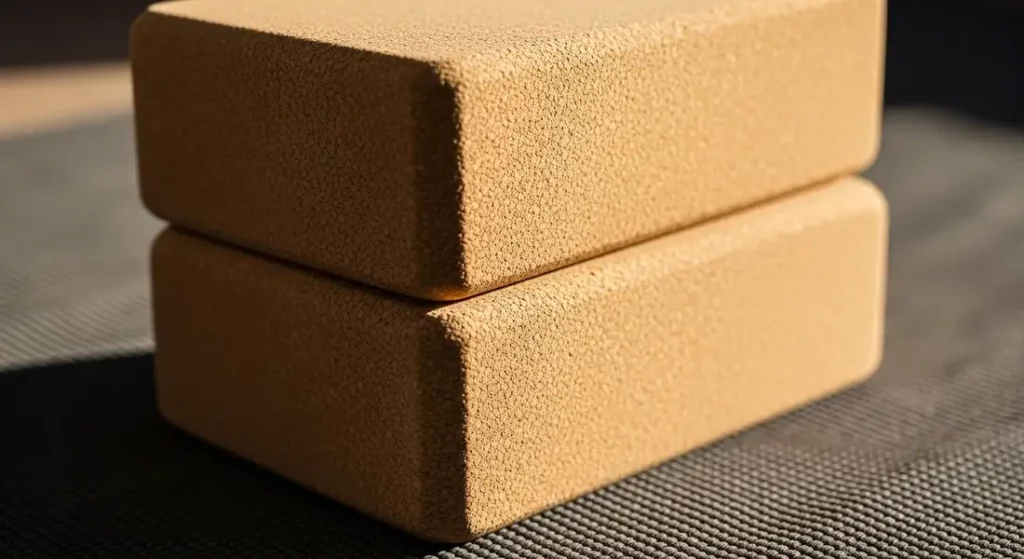
If you can’t touch the floor, bring the floor to you.
Blocks allow you to maintain a flat spine during lunges and folds.
- Editor’s Pick: Gaiam Cork Yoga Blocks. (Cork is better than foam because it doesn’t squish when you lean on it).
? Editor’s Choice – Stability
Why Cork? Most cheap blocks are made of squishy foam. If you lean your full body weight on them, they wobble. Cork is solid, heavy, and provides a stable foundation for stiff bodies.
2. A Yoga Strap (The Leg Extender)
Used to stretch tight hamstrings without straining your neck.
A stiff belt or towel works, but a strap is easier to grip.
3 Essential Mobility Moves for Home Workouts
? The Office Hack: You don’t need a mat. You can do the “Figure 4 Stretch” sitting in your office chair. Cross one ankle over the opposite knee and lean forward gently. It instantly releases tight hips from sitting.
These three moves undo the damage of sitting at a desk and prepare your body for walking or cycling.
1. The “World’s Greatest Stretch” (Hips & T-Spine)
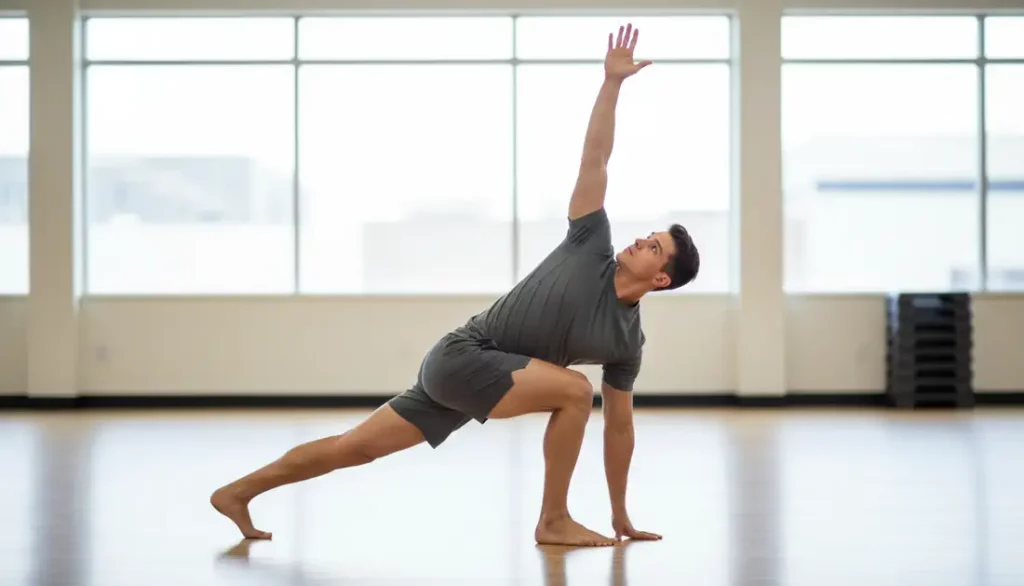
This opens your hips, hamstrings, and upper back (Thoracic Spine) all at once.
- How: Step into a deep lunge. Place the opposite hand on the floor (or block). Rotate your chest and reach the other hand to the ceiling. Look at your thumb.
2. Cat-Cow (Spinal Health)
- Why: It lubricates the vertebrae discs.
- How: On hands and knees. Inhale, drop belly, look up (Cow). Exhale, round spine, tuck chin (Cat). Move with your breath.
If you struggle to match your movement to your inhale and exhale, read our guide on Paced Breathing Techniques to master your rhythm.
3. Downward Dog (modified with bent knees)
- The Modification: Most beginners try to force their legs straight, which rounds the back. Bend your knees. Push your chest toward your thighs. This stretches the back and calves safely.
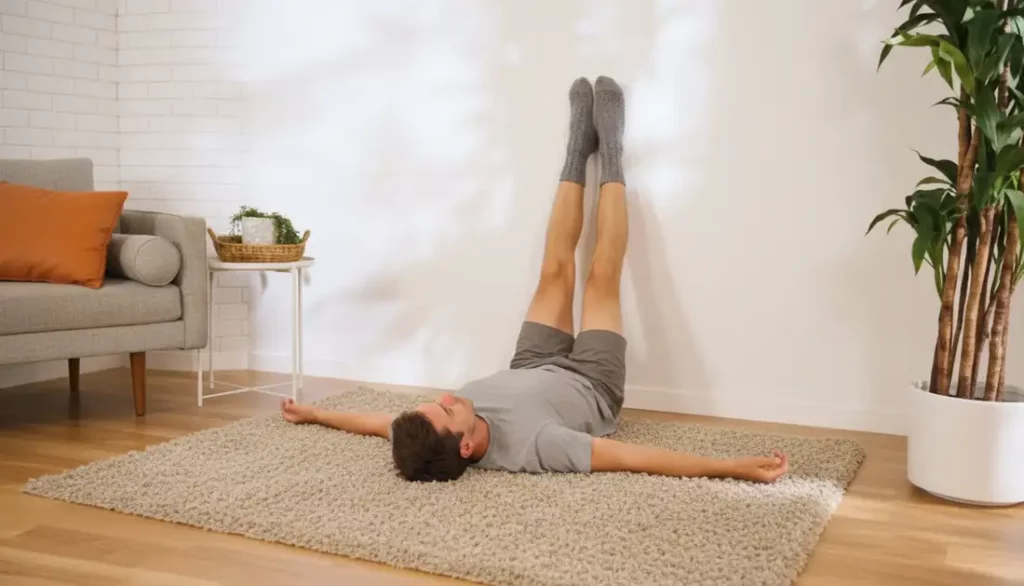
Experts at the Cleveland Clinic note that this specific inversion helps drain fluid from swollen legs and activates the parasympathetic nervous system for deeper relaxation.”
Frequently Asked Questions
Q: Is Yoga considered resistance training?
Yes. Holding poses like “Warrior II” or “Plank” requires you to support your own body weight against gravity. It builds isometric strength and endurance without joint impact.
Q: Can I do this if I have bad wrists?
Wrist pain is common. You can modify almost any pose (like Plank or Down Dog) by doing it on your forearms instead of your hands, or by gripping a set of Yoga Blocks to change the angle.
Conclusion
Mobility is the “oil” that keeps your low-impact machine running.
By spending just 10 minutes a day on the floor, you ensure that your hips, back, and knees stay loose enough to handle your walking, cycling, or bodyweight workouts.
You have officially completed the Extended Low-Impact Guide.
Combine these mobility moves with your cardio and strength plan for total body health.
Mobility work is powerful, but sometimes your muscles need deeper relief. For stubborn knots that yoga can’t reach, consider pairing this routine with percussive therapy or foam rolling. See our top picks in the Home Muscle Recovery Equipment Guide.
Return to the Main Guide:
Back to the Hub Page →
About IndraP
IndraP is the founder of Reliable Home Fitness and a Technical Equipment Specialist. Collaborating with industry leaders like FoliageField.com, he specializes in identifying top-tier training equipment.
With unique expertise in board-level repairs and upgrades, Indra looks beyond the marketing hype to test the internal mechanics of the machines he reviews. His mission is to help you invest in gear that is safe, durable, and reliable.