
Walking is the most natural human movement.
It lowers cortisol (stress hormones), improves digestion, clears the mind, and requires zero learning curve.
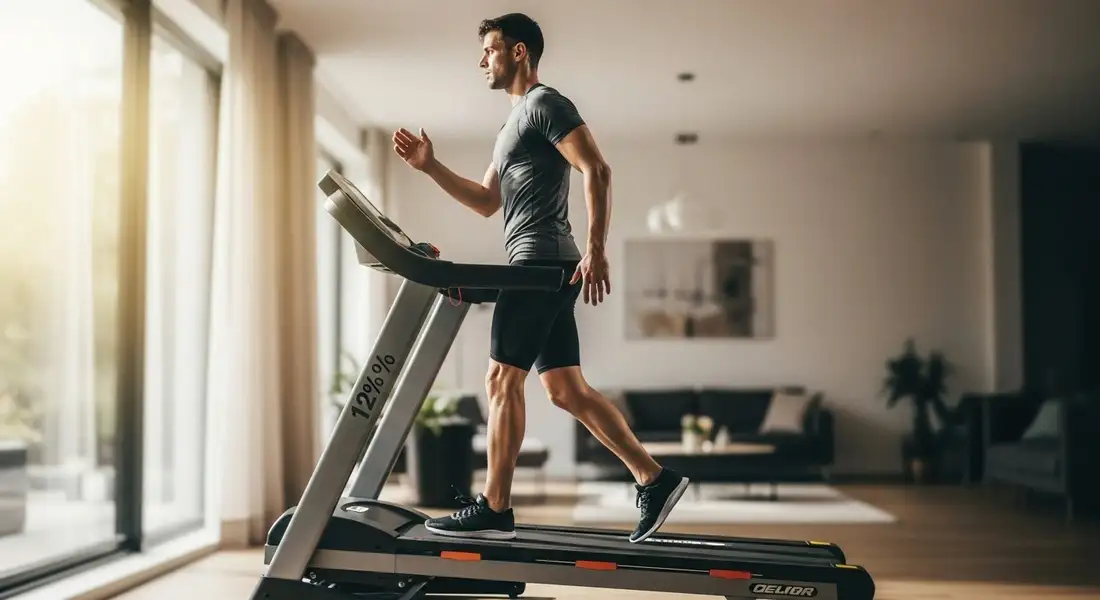
But can it really be considered a “workout”?
Yes. In fact, professional bodybuilders and fitness models rely heavily on walking—technically known as LISS (Low-Intensity Steady State) cardio—to strip body fat without burning off their hard-earned muscle.
The problem is that most people do “leisure walking” (strolling and looking at the scenery) rather than “fitness walking.”
To turn a casual stroll into a fat-burning strategy, you need to manipulate the physics of the movement.
In this guide, we will show you how to upgrade your walk using Incline, Pace, and Load to get fit in your living room.
? Walking for Fitness 101
- It’s About Heart Rate: If you aren’t breathing slightly harder than normal, you are just moving, not training.
- The Incline Hack: Walking uphill burns nearly 2x the calories of walking flat.
- Rucking (Weighted Vests): Carrying weight improves posture and bone density while burning fat.
- Cortisol Control: High-impact running raises stress hormones; walking lowers them, making it better for belly fat reduction in stressed individuals.
The “Big 3” Intensity Boosters
Since you are not running (High Impact), you cannot rely on speed alone to spike your heart rate.
You must use other variables.
1. Incline (The Hill)
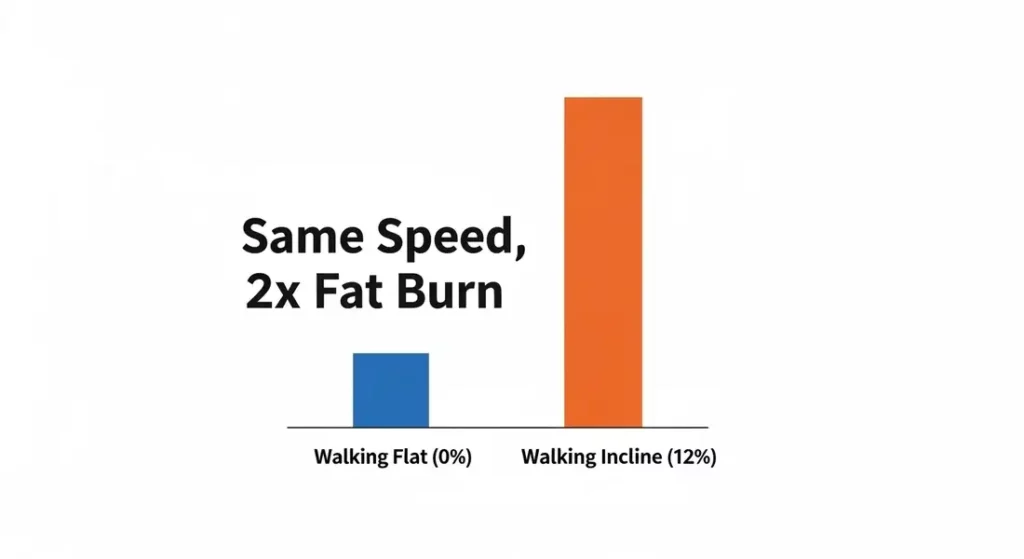
This is the most effective tool in your arsenal.
When you walk on an incline, you engage the Posterior Chain (Glutes and Hamstrings) to push your body weight up against gravity.
- The Math: Walking at 3.0 mph at a 12% Incline burns roughly the same calories as running at 6.0 mph on a flat surface—but with zero impact on your knees.
2. Load (Rucking)
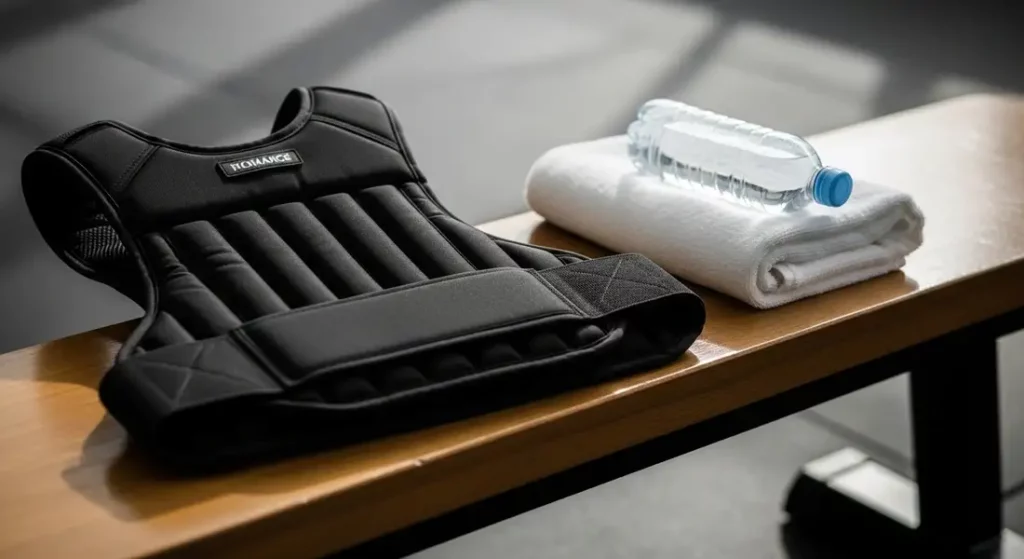
“Rucking” is a military term for walking with a weighted backpack.
In the fitness world, we use Weighted Vests.
- Why it works: It tricks your body into thinking you have gained 20lbs. Your body must burn more energy to move that weight, but because the weight is strapped to your torso, it improves your posture rather than hurting your back.
- Best for Beginners: Unlike bulky tactical gear, the Aduro Sport Weighted Vest features a slim, breathable design that stays secure without bouncing—making it the ideal choice for comfortable home workouts.
3. Pace (The Power Walk)
This isn’t about looking silly with swinging hips. It’s about cadence.
Aim for 120-135 steps per minute.
- The Arm Swing: To move your legs faster, pump your arms. The momentum of your arms drives your legs.
Equipment Guide – Treadmill vs. Walking Pad vs. Floor
What do you need to walk at home?
| Option | Best For… | Pros & Cons |
|---|---|---|
| Traditional Treadmill | Fat Loss (Incline) | ✅ Has Incline (10-15%) ❌ Large Footprint |
| Walking Pad | Work From Home | ✅ Fits under desk/sofa ❌ Usually NO Incline |
| Indoor Loop (Floor) | Zero Budget | ✅ Free ❌ Requires discipline (boring) |

- Related Guide: Cardio for Weight Loss – Best Home Equipment Options.
The 20-Minute “Hill Climb” Treadmill Workout
If you have a treadmill, don’t just hit “Start” and zone out.
Use intervals.
Frequently Asked Questions (Walking)
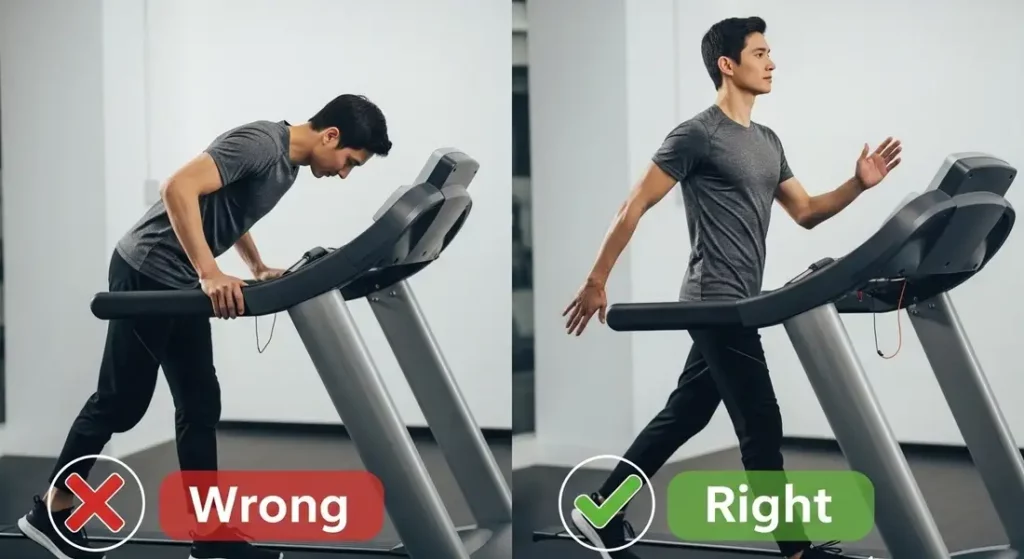
Q: Should I hold the handrails on the treadmill?
No. Leaning on the handrails reduces the calorie burn by up to 30% because you are offloading your body weight. If you need to hold on, lower the speed or incline until you can walk hands-free with good posture.
Q: Is 10,000 steps really the magic number?
It’s a good target, but not magic. For weight loss, focus on 30 minutes of “brisk” walking (where you are slightly out of breath) per day. Intensity matters more than just hitting an arbitrary number.
Conclusion
Walking is the foundation of a healthy life.
By adding incline or a weighted vest, you turn this basic human function into a muscle-building, fat-melting workout that you can do every single day without injury.
But what if you want the benefits of swimming (smooth resistance) but you are stuck on dry land?
Next: How to mimic swimming at home.
Read Chapter 5: Fluid Resistance Training →
About IndraP
IndraP is the founder of Reliable Home Fitness and a Technical Equipment Specialist. Collaborating with industry leaders like FoliageField.com, he specializes in identifying top-tier training equipment.
With unique expertise in board-level repairs and upgrades, Indra looks beyond the marketing hype to test the internal mechanics of the machines he reviews. His mission is to help you invest in gear that is safe, durable, and reliable.