
You have your workout plan.
You have your equipment.
You know your work-rest ratios.
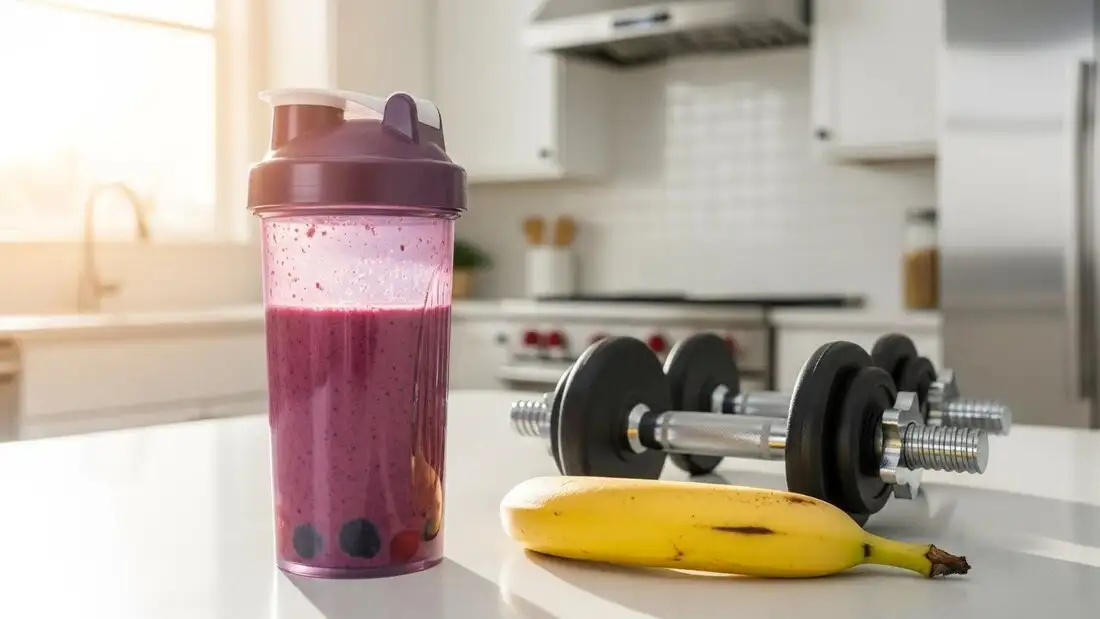
But there is one variable that will determine 80% of your results: Your Nutrition.
There is an old saying in fitness: “You cannot out-train a bad diet.”
This is especially true for HIIT (High-Intensity Interval Training).
Because HIIT is anaerobic (high intensity), it demands a specific type of fuel.
If you go into a session with an empty tank, you might feel dizzy or quit early.
If you don’t refuel properly afterwards, you miss the opportunity to build lean muscle.
? HIIT Nutrition & Fueling: Key Takeaways
- Carbs are Fuel: High-intensity efforts run on glycogen (stored carbs), not fat. You need carbohydrates in your system to reach peak intensity.
- Hydration is Critical: HIIT makes you sweat profusely in a short time. Water alone may not be enough; electrolytes are often required.
- Protein Repairs Muscle: Consuming protein within 60 minutes post-workout is essential for repairing the muscle fibers broken down during intervals.
- Fasted Cardio Trade-offs: Doing HIIT on an empty stomach is popular for fat loss, but it often results in lower energy and reduced performance intensity.
In this guide, we break down the simple science of fueling your body for performance and fat loss—without needing a degree in nutrition.
Pre-Workout – To Eat or Not to Eat?
Option A – The “Fasted” HIIT Session (Morning)
Many people wake up and do HIIT immediately to “burn more fat.”
- The Pro: Research shows exercising in a fasted state can increase fat oxidation during the workout.
- The Con: Your performance may suffer. Without glycogen, you might not be able to hit that “high intensity” level required to trigger the Afterburn Effect (EPOC).
- Verdict: If you feel fine, go for it. If you feel dizzy, eat a small snack.
Option B – The “Fueled” Session (Afternoon/Evening)
⏰ The 60-Minute Rule
Eating a heavy meal right before HIIT is a recipe for disaster.
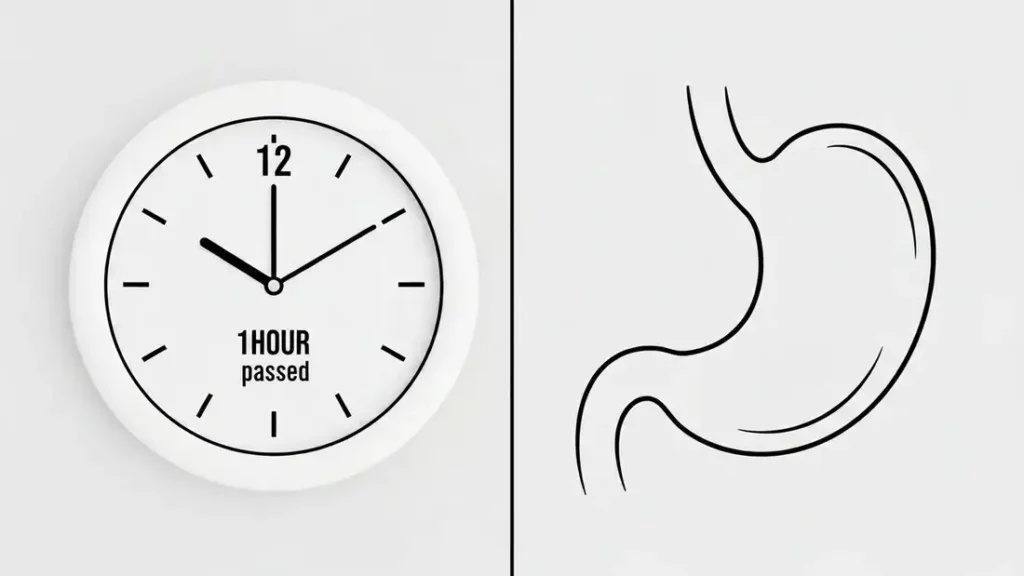
Stop eating solid food 60 minutes before you start.
If you need energy now, stick to liquid carbs (like a sports drink) or half a banana.
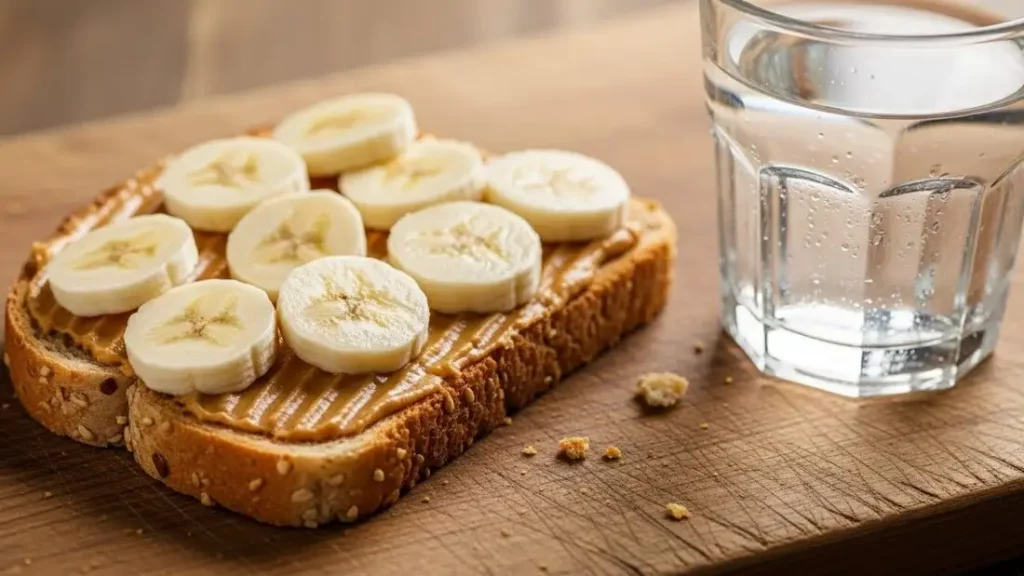
If you are training later in the day, you want to top off your energy stores.
- Timing: Eat 60–90 minutes before your workout.
- What to Eat: Focus on Complex Carbohydrates and moderate protein. Avoid heavy fats or fiber, which slow digestion and can cause stomach cramps during jumping movements.
- Best Snacks:
? Best Pre-HIIT Snacks
Banana + 1 tsp Peanut Butter.
(Fast energy + slight satiety)
Rice Cake + Honey.
(Pure glycogen, very easy digestion)
Oatmeal + Berries.
(Slower release energy)
During the Workout – Hydration & Electrolytes

HIIT workouts are short (15–30 minutes), so you usually don’t need to eat during the session.
However, you do need to drink.
Because HIIT increases your core temperature rapidly, you sweat out water and Electrolytes (Sodium, Potassium, Magnesium).
If you lose too many electrolytes, you will experience muscle cramps and fatigue.
- The Solution: If you are a heavy sweater, add an electrolyte tab to your water bottle.
- Top Pick: Nuun Sport Electrolyte Tablets. They have less than 1g of sugar and fizz instantly in your water. Unlike sugary sports drinks (like Gatorade), these won’t spike your insulin.
Post-Workout – The “Recovery Window”
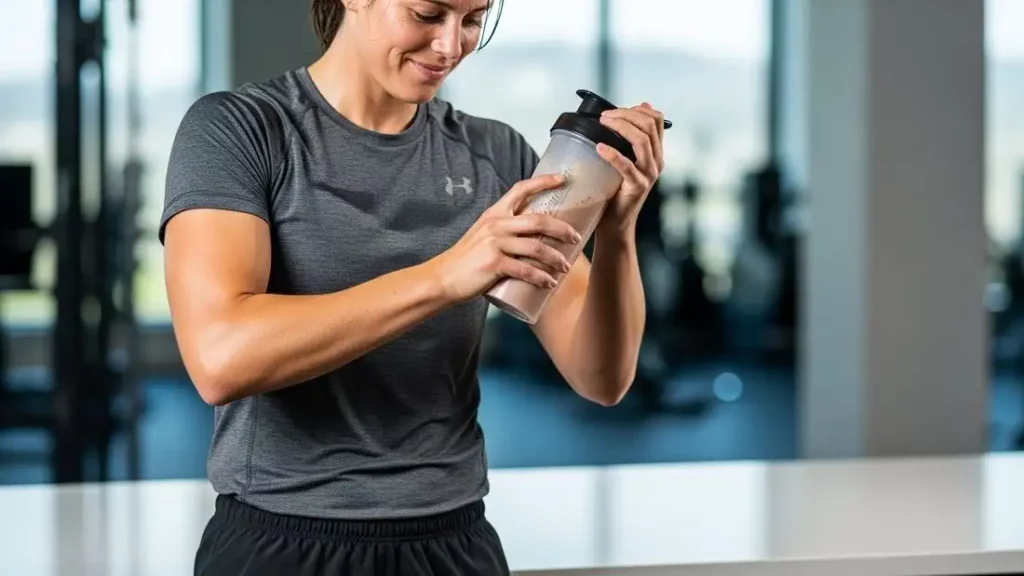
After a HIIT session, your muscles are like a dry sponge waiting for water.
You have depleted your glycogen (energy) and created micro-tears in your muscle fibers.
You don’t need to chug a shake the second you stop moving, but aim to eat within 30 to 60 minutes.
1. Protein (The Bricks)
Protein provides the amino acids needed to repair muscle tissue.
This prevents you from losing muscle while you lose fat.
- Target: 20–30 grams of protein.
- Convenience: A protein shake is the easiest way to get this fast.
- Top Pick (Whey): Optimum Nutrition Gold Standard 100% Whey. It mixes easily and tastes great with water.
- Top Pick (Plant-Based): Orgain Organic Plant Based Protein Powder. A great option if dairy upsets your stomach.
2. Carbohydrates (The Workers)
You need carbs to refill your energy tanks for tomorrow’s workout.
- Best Sources: Rice cakes, fruit, or a sweet potato.
The Essential Tool: If you are using powders, you need a bottle that mixes them without leaving clumps.
- Top Pick: The BlenderBottle Classic V2 Shaker Bottle. The wire whisk ball inside ensures your shake is smooth, not chunky.
Supplements – Do You Need Them?
For beginners, whole food is best.
However, two supplements are proven to help with HIIT performance.
- Creatine Monohydrate:
- Why: Creatine helps your muscles produce energy during short, explosive bursts (like sprinting or lifting). It is the most researched supplement in the world.
- Top Pick: Nutricost Creatine Monohydrate. It’s cheap, unflavored, and effective.
- BCAAs (Branched-Chain Amino Acids):
- Why: Useful if you train fasted. They can help prevent muscle breakdown during the workout.
Common Questions About Fueling
Q: Can I drink coffee before HIIT?
Yes. Caffeine is a proven performance enhancer. Drinking a black coffee 30 minutes before your workout can reduce perceived effort and boost intensity. Just drink water too!
Q: Is “Fasted Cardio” better for weight loss?
It burns more fat during the session, but often reduces the total calorie burn because you can’t push as hard. Consistency matters more than whether you ate breakfast or not.
Conclusion
Nutrition for HIIT doesn’t have to be complicated.
Eat a banana before you start, drink water with electrolytes, and have a protein shake afterwards.
By fueling your body correctly, you ensure that you have the energy to push hard during the “Work” intervals, which is the key to unlocking the metabolic benefits we discussed in our Benefits Guide.
Missed the Basics?
Go back to the start: The Ultimate Beginner’s Guide to HIIT at Home
Check your Equipment: Best HIIT Equipment for Home Gyms