
One of the greatest myths about fitness is that you need a room full of expensive machinery to get in shape.
When it comes to HIIT (High-Intensity Interval Training), this couldn’t be further from the truth.

HIIT is a methodology, not a machine.
You can perform it in a hotel room, a garage, or a high-end gym.
However, having the right tools can make your workouts safer, more varied, and more fun. Doing burpees on a bare concrete floor is a recipe for joint pain.
Trying to sprint on a cheap treadmill that wobbles is a recipe for disaster.
?️ Quick Buyer’s Checklist
- Must-Have: A high-density mat (1/2 inch thick) to save your knees.
- Best Budget Tool: A Sandbag ($30-$50). It replaces an entire dumbbell rack.
- Best Cardio Machine: A Rower or Elliptical (better for intervals than treadmills).
- Avoid: Cheap treadmills. They take too long to change speeds for HIIT.
In this guide, we break down the best equipment options for every budget and space—from the absolute essentials (under $50) to the best investment pieces.
Level 1 – The “No Cost” Option (Bodyweight)
? Pro Budget Tip
Don’t buy everything at once. Start with just a good mat and a free timer app. Earn your upgrades! Once you stick to your routine for 30 days, then reward yourself with a sandbag or kettlebell.
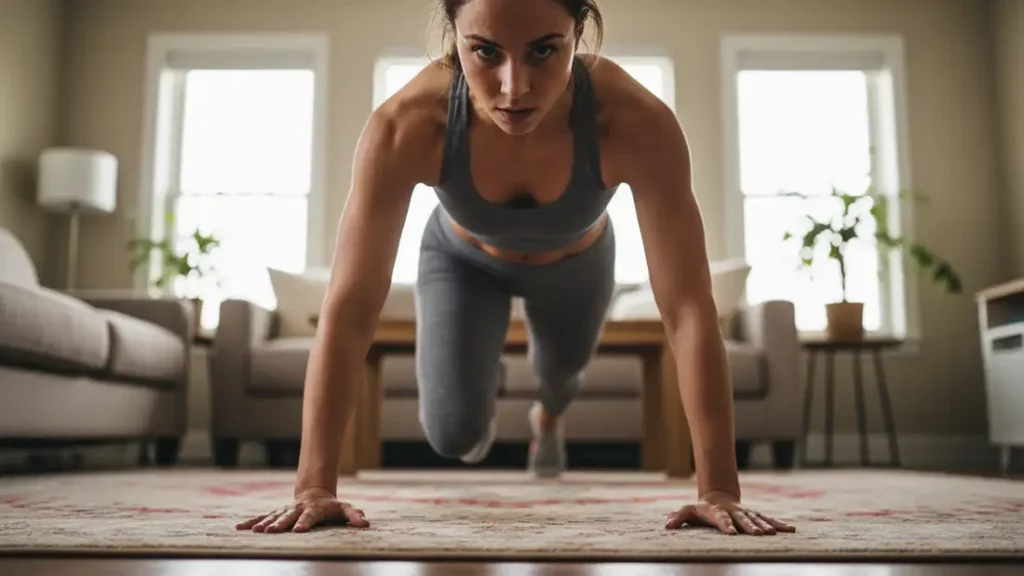
If you are just starting, you do not need to buy anything to get a world-class workout.
Your body weight is enough to spike your heart rate.
- Best Exercises: Sprinting in place, Burpees, Mountain Climbers, Air Squats.
- The Limitation: Eventually, your legs will get strong enough that air squats won’t raise your heart rate quickly enough. That is when you need to add resistance.
- Resource: The Ultimate Guide to Bodyweight Workouts at Home – No Equipment, No Cost
Level 2 – The Essentials (Under $50)
If you buy nothing else, invest in these two items.
They solve the two biggest problems for home HIIT: Safety and Focus.
1. The Surface (Joint Protection)
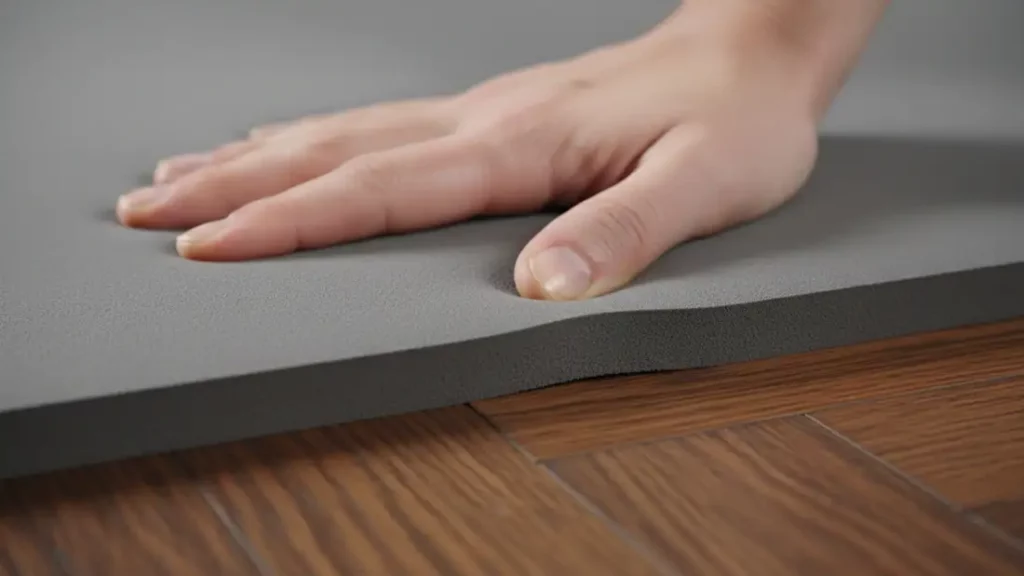
HIIT involves impact.
Doing this on tile or thin carpet will eventually hurt your knees and ankles.
- The Solution: A high-density exercise mat. Unlike a yoga mat (which is thin and sticky), a HIIT mat needs to be thick and durable.
- Top Pick: The Gorilla Mats Premium Large Exercise Mat. It is large enough (6×4 feet) that you won’t step off it during lunges, and it protects your floor from sweat and shoe scuffs.
2. The Timer (Mental Focus)
You cannot focus on your intensity if you are staring at your iPhone stopwatch.
- Top Pick: The Gymboss Interval Timer. This simple clip-on device vibrates when it’s time to rest. It allows you to “set it and forget it,” so you can focus entirely on your effort.
Level 3 – The “Quiet & Compact” Tools (Apartment Friendly)
Living in an apartment?
You can’t jump around, or your downstairs neighbors will hate you.
These tools increase intensity without the impact.
1. Sandbags (The “Unstable” Load)
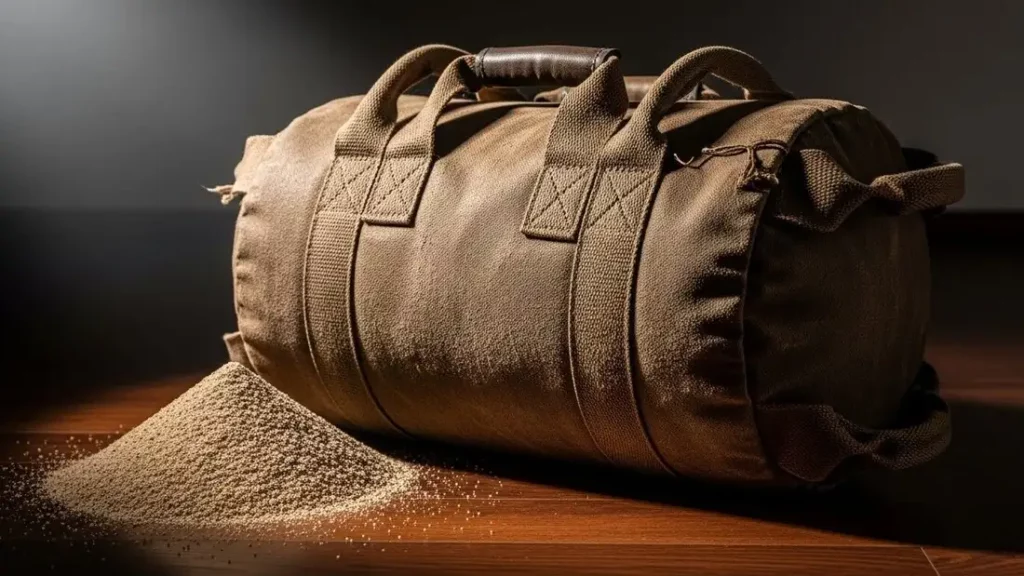
Sandbags are arguably the best value tool for HIIT.
Because the sand shifts, every rep fights your core stability.
You can lift a lighter weight but get a harder workout.
Plus, they are soft—if you drop them, they won’t damage your floor.
- Top Pick: The Yes4All Sandbag with Adjustable Weights. It’s rugged, affordable, and lets you adjust the weight as you get stronger.
- Read More: Unleash Your Fat-Burning Potential With Sandbag HIIT
2. Kettlebells
The “Kettlebell Swing” is a perfect HIIT movement.
It is low impact (your feet never leave the floor) but highly metabolic.
- Top Pick: For beginners, an Amazon Basics Cast Iron Kettlebell (start with 15-20lbs) is indestructible and effective.
Level 4 – The Machines (Best for Cardio)
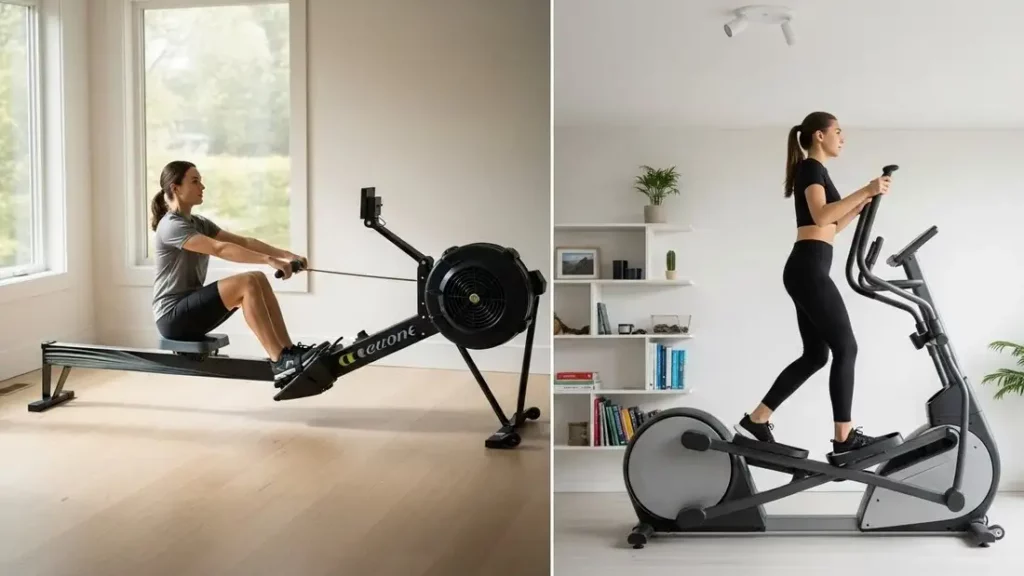
If you have the budget and space, a cardio machine is excellent for “Low Impact” HIIT.
However, not all machines are suitable for intervals.
1. The Rowing Machine (Total Body)
Rowing uses 86% of the muscles in your body.
It is zero impact, making it safe for bad knees.
- Why for HIIT? You can go from a dead stop to a full sprint instantly.
- Top Pick: The Concept2 RowErg is the gold standard found in every CrossFit gym. For a budget option, the Sunny Health & Fitness Magnetic Rowing Machine is a solid entry point.
- Deep Dive: Your Ultimate Beginners Guide to Rowing Machines
2. The Elliptical (The Joint Saver)
Often seen as a “lazy” machine, the elliptical is a beast for HIIT if you increase the resistance.
It allows you to sprint without the pounding of a treadmill.
- Top Pick: The Schwinn 430 Elliptical Machine offers excellent stability and pre-programmed interval workouts.
- Deep Dive: The Ultimate HIIT Elliptical Workout Guide.
3. The Treadmill (Use with Caution)
- The Warning: Most home treadmills take 10-15 seconds to speed up or slow down. This makes doing 30-second intervals very difficult and potentially dangerous (jumping on moving belts).
- Alternative: If you love running, consider an “RUNOW” (curved manual treadmill) or simply run outside.
Level 5 – Recovery Tools
As we mentioned in the Safety Guide, recovery is crucial.
- Foam Rollers: Essential for rolling out tight quads after squats.
- Top Pick: TriggerPoint GRID Foam Roller.
- Electrolytes: HIIT makes you sweat a lot. Water alone might not be enough.
- Top Pick: Nuun Sport Electrolyte Tablets. They have low sugar and help prevent cramping.
- Deep Dive: Top Home Muscle Recovery Equipment To Unleash Your Athletic Potential
Conclusion
| Level | Est. Cost | Best For… |
|---|---|---|
| 1. Bodyweight | $0 (Free) | Absolute Beginners |
| 2. The Essentials | $30 – $50 | Safety (Mat + Timer) |
| 3. Compact Tools | $50 – $100 | Apartments (Sandbag/Kettlebell) |
| 4. Machines | $300+ | Joint Pain (Rower/Elliptical) |
You do not need to spend thousands of dollars to get fit.
Start with a good mat and a timer.
As you get stronger, add a sandbag or a kettlebell.
The best equipment is the one you will actually use.
Don’t buy a rowing machine if you think rowing is boring—you’ll just use it as a clothes hanger.
Choose the tool that excites you.
But what if your problem isn’t equipment, but your joints?
What if you want to do HIIT but your knees ache just thinking about it?
Next Step: Learn how to burn calories without the jump in our guide